So, How Long Can a House Extension Take?
One of the most common questions we hear from homeowners planning to extend their property is, “how long can a house extension take?” It is an important question, especially for anyone budgeting carefully or trying to plan around family life. The answer depends on several factors, such as the type of extension, design complexity, planning permission, and the reliability of the building team.
As experienced builders in Ashford, we have managed a wide range of extension projects, from small kitchen extensions to large two-storey additions. While no two projects are identical, there are clear stages and typical timeframes that help you understand what to expect.
What Affects the Duration of an Extension?
Every project is different, but there are a few consistent factors that influence how long a house extension can take:
- Size and type of extension: A simple single-storey addition takes far less time than a large multi-room or double-storey build.
- Planning and design: Gaining planning permission and finalising architectural drawings can add several weeks before work even begins.
- Site conditions: Soil type, drainage, and access to the property can affect how quickly groundwork and foundations are completed.
- Weather: Prolonged rain or cold weather can delay exterior work.
- Materials and labour: Availability of materials or specialist trades can impact progress.
The best way to manage time is by planning carefully and working with a builder who communicates clearly throughout the process.
Typical Timeframes for a House Extension
Although every project varies, here is a general outline of how long different types of extensions usually take:
| Type of Extension | Estimated Duration |
|---|---|
| Small single-storey extension | 8–12 weeks |
| Medium single-storey extension | 12–16 weeks |
| Large single-storey or double-storey | 16–24 weeks |
| Complex or bespoke design | 24+ weeks |
These are only general averages, but they help set realistic expectations. Larger projects involving structural changes, new plumbing systems, or custom carpentry will naturally take longer.
The Key Stages of a House Extension
To understand how long can a house extension take, it helps to break the project into stages. Each phase has its own timescale and dependencies.
1. Design and Planning (4–10 weeks)
This first stage involves hiring an architect or designer, finalising drawings, and obtaining planning permission if required. Many straightforward extensions can be built under permitted development, but if not, allow extra time for council approval.
2. Groundwork and Foundations (2–4 weeks)
Once designs are approved, site preparation begins. This includes clearing the area, digging foundations, pouring concrete, and connecting essential services. Weather and soil conditions can influence how long this stage takes.
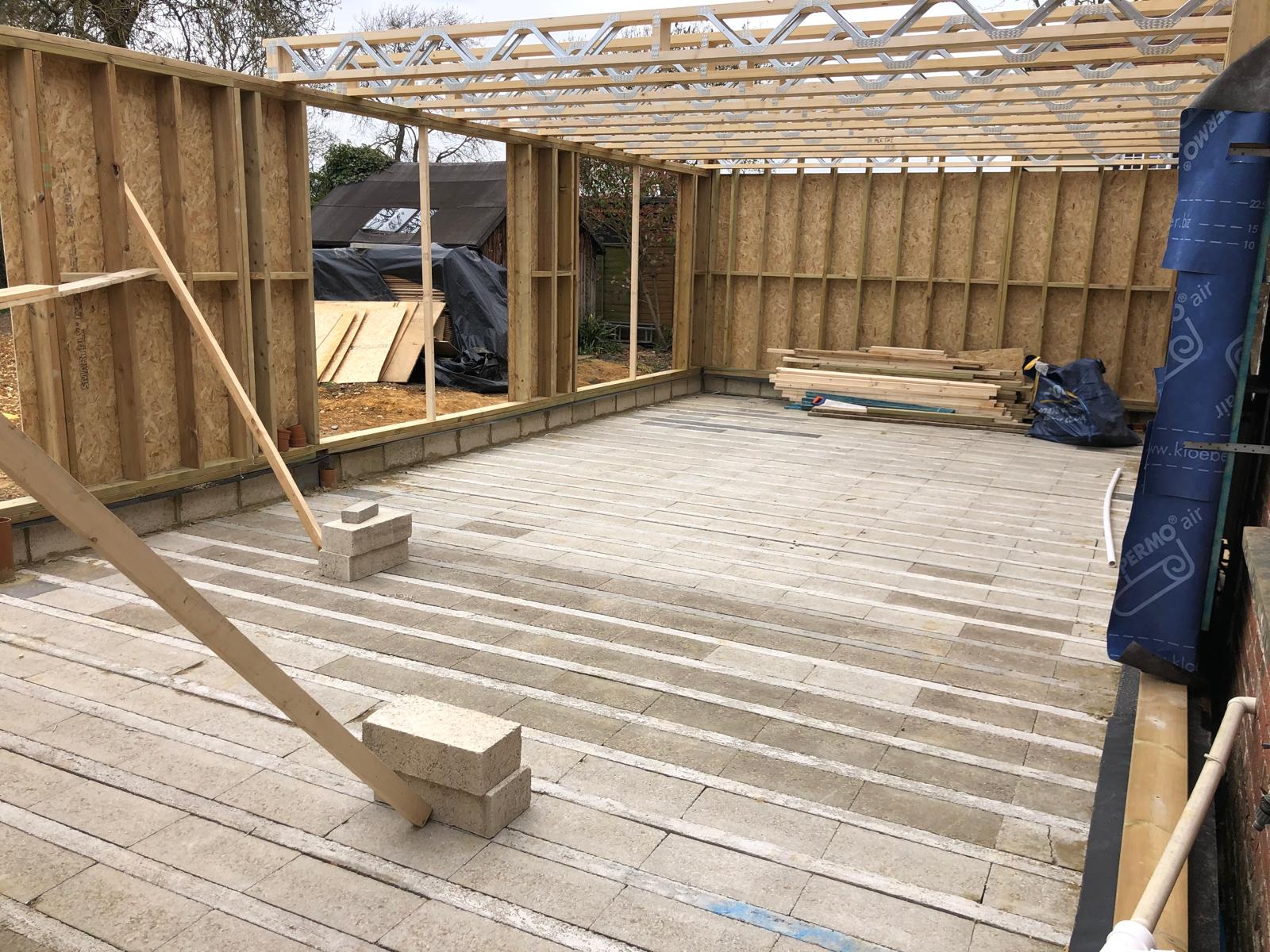
3. Structural Build (6–10 weeks)
This is when walls are built, roofs installed, and the basic structure takes shape. It is usually the most visible and exciting stage for homeowners. Delays here can occur if materials are delayed or the design changes mid-project.
4. Interior Work (4–8 weeks)
Once the structure is complete, interior work such as insulation, plastering, flooring, and joinery begins. If the extension includes a kitchen or bathroom, extra time is needed for fitting and plumbing.
5. Finishing and Inspection (2–4 weeks)
Final checks, decoration, and snagging (fixing small details) complete the process. Building control inspections also take place to confirm that everything meets safety and construction standards.
How Planning Permission Affects the Schedule
If your extension falls under permitted development, you can often begin work straight away after submitting building notice documents. However, if it requires planning permission, the process can add six to ten weeks before construction begins.
In some areas, especially conservation zones or for listed buildings, the process can take longer. Working with experienced builders in Ashford who understand local regulations can help prevent unnecessary delays.
The Role of Your Builder in Managing Time
A well-organised builder plays a major role in keeping your project on schedule. Reliable tradespeople coordinate each stage, source materials efficiently, and communicate regularly with clients.
At AGC Carpentry & Building Services, we have managed many extensions and conversions across Kent. Our approach is to plan each phase clearly before work begins, ensuring there are no unexpected gaps between stages.
We also provide full project management, meaning we oversee all trades involved, from groundwork to final finishing, keeping everything coordinated and running smoothly.
Why Extensions Sometimes Take Longer
Even with careful planning, a few issues can extend the timeline. Common reasons include:
- Design changes: Altering plans after work begins adds time and cost.
- Weather conditions: Heavy rain or frost can delay bricklaying and roofing.
- Material shortages: Some specialist items, such as bespoke windows or doors, may take longer to arrive.
- Unexpected structural issues: Older buildings sometimes reveal hidden problems once work starts.
Good communication helps manage these challenges. A professional builder will update you regularly and explain how adjustments affect the overall schedule.
How to Keep Your Extension on Track
You can help keep your extension moving smoothly by:
- Finalising plans before work begins
- Being available to make quick decisions when needed
- Staying realistic about timelines and possible adjustments
- Keeping clear communication with your builder
Having one main point of contact, such as a project manager, helps coordinate everything and avoid unnecessary delays.
Local Knowledge Makes a Difference
Working with a local builder who understands Ashford’s planning processes and building styles can make your project much simpler. Local experience means your builder is familiar with nearby suppliers, building control officers, and potential site challenges.
We have helped homeowners across Ashford plan and complete their extensions efficiently, using trusted local trades and suppliers. This helps ensure materials arrive on time, work stays on schedule, and standards remain consistent throughout.
Quality Over Speed
When clients ask how long can a house extension take, it is natural to want it completed quickly. However, it is better to focus on quality rather than rushing the process. Well-built extensions should last for decades, so taking the time to get the structure, insulation, and finishes right is essential.
Rushing construction can lead to uneven surfaces, leaks, or other issues that cost more to fix later. Choosing experienced builders who take pride in doing the job properly will save time and money in the long run.
Seeing Examples of Completed Work
Before starting your own extension, it can help to look at previous projects for inspiration. You can view our work to see examples of extensions, renovations, and new builds we have completed across Kent.
Each project demonstrates our focus on quality craftsmanship, attention to detail, and well-organised time management.
Aftercare and Support
A good builder’s job does not end when construction finishes. We provide aftercare for all our projects, ensuring everything continues to perform as expected once you move into your new space. This includes checking fittings, addressing any minor issues, and making sure the client is completely satisfied.
Conclusion
So, how long can a house extension take? In most cases, anywhere between 10 and 24 weeks from start to finish. The exact timeline depends on size, complexity, and the quality of project management.
By choosing a professional, well-organised team, you can ensure your extension is built efficiently and to a high standard. We believe in planning carefully, communicating clearly, and delivering work that stands the test of time.
If you are thinking about extending your home and want advice from experienced local builders, you can contact us for a clear quote and practical guidance.