So, When Do I Need Planning Permission
Understanding when do I need planning permission is an important part of any building or renovation project. Many homeowners are unsure which changes can be made freely and which require approval from the local authority. If you make alterations without the correct permission, you may face delays, fines, or even be asked to reverse the work.
In my experience working with homeowners across Kent, the process becomes much easier once you know the basic rules. Planning permission is not needed for every project, but some work does require approval before you begin. I will explain what you need to know and how to approach the process with confidence.
What Planning Permission Means
Planning permission is approval from your local council that allows you to build or alter a property. The aim is to ensure changes are safe, suitable for the area, and in keeping with local guidelines.
You may need planning permission for extensions, structural changes, conversions, and some external work. Smaller projects can often be completed under permitted development rights, which allow certain improvements without formal permission.
When Planning Permission Is Required
Although every home is different, there are some common situations where permission is likely to be needed.
You will usually need permission if you plan to:
- Build a large extension that goes beyond permitted development limits
- Change the appearance of the property significantly
- Add a new floor or raise the roof height
- Build very close to a boundary
- Convert a house into separate flats
- Carry out work on a listed building
- Alter a property in a conservation area
If you are unsure about your project, checking early can prevent problems later.
When You Can Use Permitted Development
Some projects fall under permitted development rights, which allow homeowners to make improvements without applying for planning permission. These rules only apply to houses and do not cover flats or some new build properties.
Work that commonly fits into permitted development includes:
- Small rear extensions
- Single storey additions within size limits
- Loft conversions that stay within the volume allowance
- Internal layout changes
- Adding roof lights
- Replacing windows
- Building a small porch
- Installing solar panels
Although permission may not be required, the work must still meet building regulation standards.
Extensions and Larger Projects
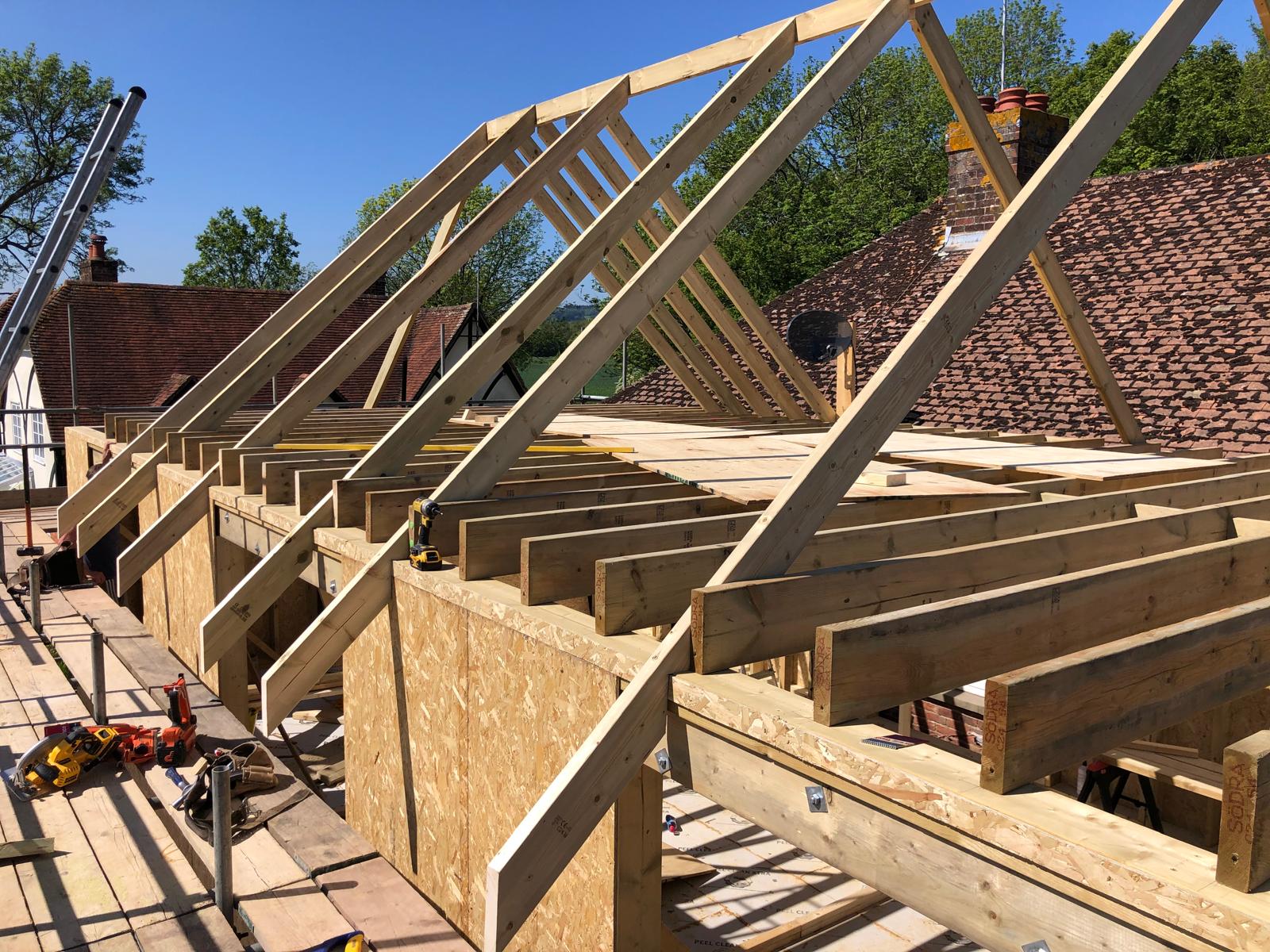
If you are planning a larger extension, it is important to understand which elements affect approval. The height, depth, and width of the extension are all important factors.
Our extensions and conversions service includes guidance on what is allowed under permitted development and what requires approval. Many homeowners find it easier to discuss the plan early rather than adjust it later.
Renovations and Internal Work
Internal renovations rarely require planning permission unless they affect the structure of the building. However, all work must still follow building regulation rules.
If your project includes kitchens, bathrooms, or wider updates to your home, our renovations service helps you plan improvements that meet all necessary standards without delay.
Loft Conversions
Loft conversions are popular because many can be completed without planning permission. The main restrictions relate to the height of the extension, dormer size, and whether your home is in a conservation area.
If you plan to add significant height or change the roof shape, checking permission early is important.
Outbuildings and Garden Structures
You may not need permission for garden buildings such as sheds, studios, or workshops if they meet certain size and placement conditions. The use of the building also matters. Outbuildings used for living accommodation usually require permission.
Conservation Areas and Listed Buildings
Homes located in conservation areas or those that are listed have stricter rules. Even small changes such as replacing windows or altering external finishes may require approval.
If you live in one of these areas, always check before starting any work.
How to Apply for Planning Permission
The application process is straightforward once your plans are ready. You will normally need to:
- Prepare detailed drawings of the proposed work
- Submit the application through your local council planning portal
- Pay the application fee
- Wait for the council to assess the plans
Most decisions are made within eight weeks. Complex projects may take longer.
Viewing Examples of Completed Work
If you want to see how completed projects look once finished, our our work page shows a range of renovations, extensions, and conversions carried out for homeowners across Kent.
Customer Reviews
We are fortunate to have received great feedback from clients, and we have added a widget on our website that displays these reviews. Many customers have shared their thoughts on AGC Carpentry and Building Services.
Aftercare and Ongoing Support
Good planning does not end once the work is complete. Our aftercare service ensures that your home continues to perform well and that any small adjustments are handled quickly.
Conclusion
Understanding when do I need planning permission helps you approach any home improvement project with confidence. Some work can begin straight away under permitted development, while larger changes require approval. Checking early ensures a smooth project and avoids delays later on.
If you are planning an extension, renovation, or larger home improvement, you can contact us to discuss your ideas. At AGC Carpentry and Building Services, we support homeowners across Kent with clear guidance and reliable building services.