So, What Is Included in a Full House Renovation?
When people ask me what a Full House Renovation includes, they usually want two things: a clear list of what happens, and a realistic sense of how the work fits together. A full renovation can feel like a huge step because it touches so many parts of the home. However, when you break it into stages and make decisions in the right order, it becomes far more manageable.
In Kent, I often see homeowners choose a full renovation because the property needs updating, the layout no longer works, or energy bills have become too high. Sometimes people buy an older house and want to modernise it before they move in. Others stay put and renovate in phases, room by room. Either way, the best results come from planning carefully and making sure the essential work comes first.
We will explain what a Full House Renovation typically includes, what you should prioritise, and how to keep the project compliant, safe, and well organised.
What a full house renovation usually covers
A Full House Renovation can include structural work, services like electrics and plumbing, insulation upgrades, and the final finishes that make the home feel complete. The exact scope depends on the age and condition of the property, as well as your goals. For example, you might renovate to improve resale value, or you might renovate because you want a more comfortable long term home.
Here is what many full renovations include in practice:
- Structural changes such as removing internal walls, adding steelwork, or repairing floors and joists
- Rewiring and electrical upgrades including new consumer units and modern lighting
- Plumbing updates including pipework, heating changes, and improved water pressure where possible
- Wall, ceiling, and floor preparation including plastering, levelling, and repairs
- Kitchen replacement, bathroom replacement, or both
- Insulation and ventilation improvements
- Windows and doors upgrades where needed
- Flooring, joinery, decorating, and finishing details
I have kept that list broad on purpose. In the next sections, I will explain how those parts fit together and why the order matters.
Start with the condition survey and a clear plan
Before you book any trades, look at the building honestly. If you have damp patches, cracked plaster, uneven floors, or an ageing roof, you need to understand the cause and fix it early. Otherwise, you risk decorating over a problem and paying twice later.
At this stage, you should also decide whether you want layout changes. If you plan to open up the ground floor, add a utility room, or rework bedrooms upstairs, it helps to agree that direction early. As a result, your builder can plan the structural work alongside the service runs for plumbing and electrics.
If your renovation includes an extension, a garage conversion, or a loft conversion, you can treat that as part of the same overall plan. In that case, extensions and conversions often sit alongside wider internal changes, so the finished home feels consistent rather than pieced together.
Planning permission and compliance
Not every renovation needs planning permission. However, some changes do, especially when you alter the external appearance, build an extension, or work on a listed building. Because rules vary by project, you can use the Planning Portal to understand permitted development and when you need a formal application.
Even when you do not need planning permission, you still need to follow building standards for structure, insulation, fire safety, drainage, and ventilation. For that, GOV.UK Building Regulations gives a clear overview of what you must meet. In addition, inspections often form part of the process, so it helps to understand how Local Authority Building Control fits into approvals and site checks.
Structural work and first fix
Once the plan is set, the renovation often starts with strip out and structural work. Builders remove old fittings and finishes so they can assess the underlying structure properly. After that, structural work begins, which may include repairs to joists, floor strengthening, new lintels, or support beams.
Next comes first fix. This stage matters because it hides behind walls and floors, yet it drives how well the home works. Your team will run new cables, pipework, and ventilation routes. Because of that, decisions such as where you want sockets, radiators, and appliances should happen early.
If you plan a major redesign, a full renovation can also include joining separate rooms, creating larger openings, or changing door positions to improve flow. I find that homeowners appreciate this stage once they see the new layout taking shape.
Electrical and plumbing updates
Older homes often have electrics that no longer suit modern living. A renovation gives you the chance to add better lighting, more sockets, and safer circuits. Likewise, plumbing updates can improve reliability and reduce the risk of leaks, especially when older pipework shows its age.
You might also upgrade the heating system, add underfloor heating in certain rooms, or move radiators to match a new layout. In many homes, these service upgrades create some of the biggest day to day improvements, therefore they often deliver strong value even though you cannot see them once the walls go back.
Kitchens and bathrooms
A Full House Renovation often includes a new kitchen and at least one updated bathroom. These rooms take more coordination because they rely on plumbing, electrics, ventilation, and precise fitting. That is why a good plan helps so much.
If you replace your kitchen, your fitter will consider layout, worktop runs, appliance spacing, and storage. In addition, the installation needs accurate levels, solid fixing, and clean finishing so doors line up and drawers run smoothly. Where relevant, a complete kitchen fitting forms a key part of the wider renovation.
Bathrooms need water resistant surfaces, good ventilation, and careful sealing around wet areas. If you renovate bathrooms as part of the wider project, you can coordinate plumbing runs and ventilation upgrades across the house. Many homeowners include a full bathroom fitting at this stage for that reason.
Insulation, ventilation, and energy improvements
A renovation gives you access to floors, walls, and loft spaces, so it is the ideal time to improve insulation and ventilation. Better insulation reduces heat loss, while improved airflow helps manage moisture. Together, these changes often make the home feel more comfortable and reduce ongoing costs.
You might also choose more efficient lighting, better controls for heating, and updated glazing. Even if you do not replace every window, improving draught points and ventilation strategy can still make a noticeable difference.
Plastering, second fix, and finishes
Once first fix work is complete, the project moves into plastering and making good. Clean, level walls set the foundation for everything that follows. After plastering, second fix begins. This includes fitting sockets and switches, hanging internal doors, installing skirting and architraves, and finishing carpentry details.
Next comes decoration, flooring, and final fittings. Flooring choices depend on the room, your budget, and how you live. For example, families often prefer durable surfaces in high traffic areas, while bedrooms may suit warmer finishes.
This is also the stage where the home starts to feel like a home again. The practical work is mostly done, so you can see how the spaces connect, how light moves through the rooms, and how storage solutions fit the way you actually live.
Health and safety on site
A full renovation creates dust, noise, and material movement, so site safety matters. A professional team plans access routes, keeps the site tidy, and manages hazards properly. You can find practical guidance on safe working practices through the Health and Safety Executive, and for lifting and carrying materials, the HSE Manual Handling Guidance helps explain good technique and risk reduction.
If you live in the property during the works, clear safety routines matter even more. For example, you need safe walkways, secure storage for tools, and sensible isolation of work zones.
Seeing examples before you decide
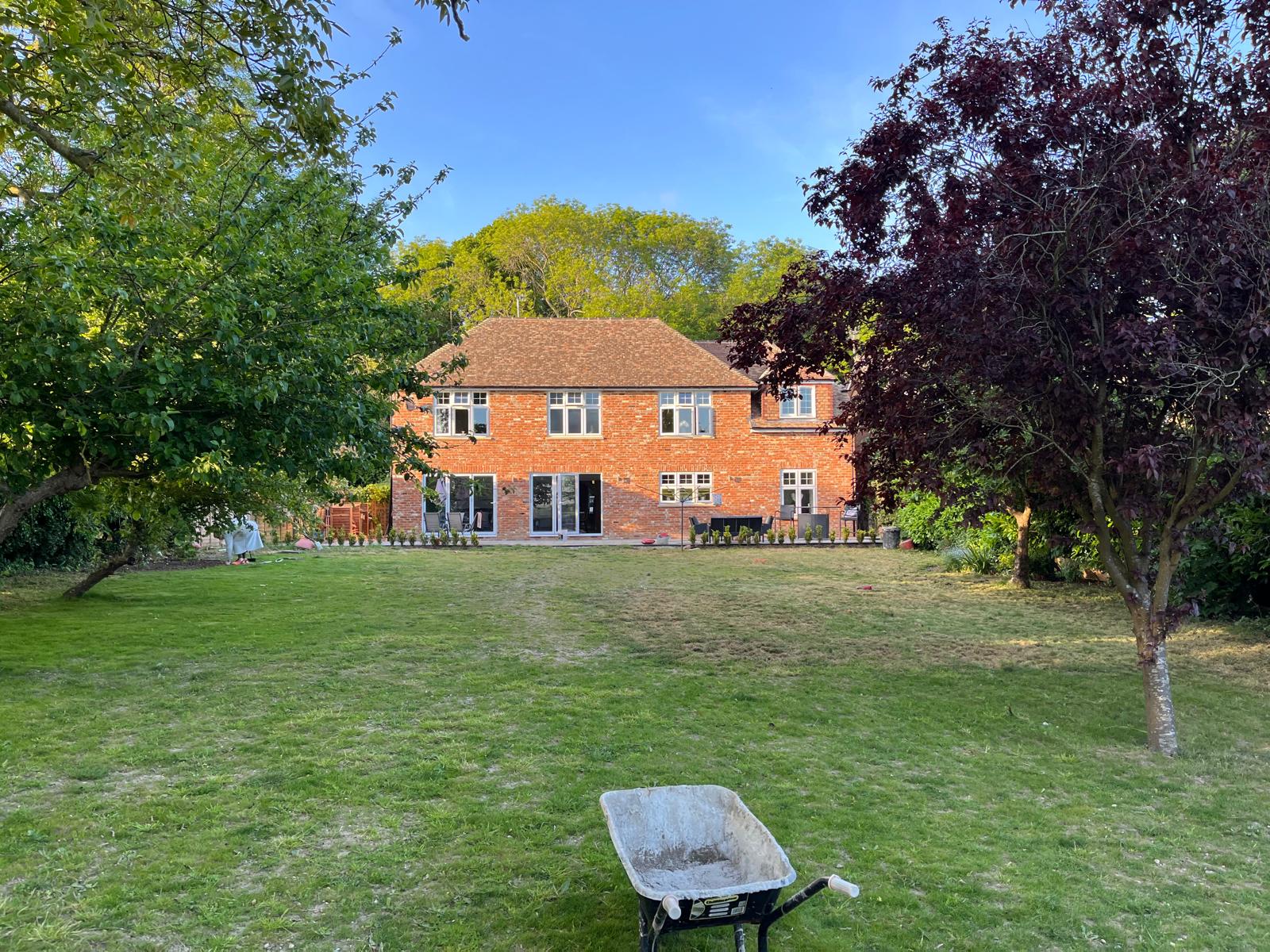
Many homeowners feel more confident once they have seen real results. If you want a sense of what a completed renovation can look like, you can view our work for examples of finished projects. In addition, you can check feedback for AGC Carpentry & Building Services as part of your decision making.
Aftercare and the final details
Even when a renovation finishes, small adjustments can help everything settle nicely. Doors may need minor tweaks, seals may need a check, and snagging items benefit from a prompt response. That is why ongoing aftercare matters, especially after larger projects.
Conclusion
A Full House Renovation usually includes structural improvements, first fix services, kitchens and bathrooms, insulation and ventilation upgrades, and then the finishes that bring the home together. However, the real key sits in the order and coordination. When you plan properly, you reduce delays, protect quality, and avoid redoing work.
If you want to talk through what your home needs and what to prioritise first, you can contact us and we can discuss a sensible plan. At AGC Carpentry & Building Services, we focus on clear advice, solid workmanship, and a renovation process that stays practical from start to finish.