How to Choose the Right Builder for Your Project
Choosing a builder can feel like a big decision because the quality of the work affects your home for years. I have spoken to plenty of homeowners who started with the same goal, get the job done properly, on time, and without stress. However, they did not always know what to check before agreeing to a quote.
We explain how to Choose the Right Builder for your project, step by step. I will cover what to look for, what to ask, and how to compare builders fairly, whether you are planning a renovation, an extension, or a kitchen or bathroom refit.
Start with a clear plan
Before you contact anyone, get clear on what you want to achieve. You do not need perfect drawings for every job, but you do need a realistic brief.
Think about:
- The rooms or areas involved
- Your ideal finish level
- A rough budget range
- Any deadlines that genuinely matter, such as a move in date
Once you have this, you can explain your project in a consistent way to each builder. That matters because it makes quotes easier to compare and reduces confusion later.
Check experience that matches your project
Not every builder suits every type of job. Some builders focus on extensions and structural work. Others do better with interiors and finishes. When you want to Choose the Right Builder, look for relevant experience rather than general claims.
For example, if you plan a major refurb, you will want someone used to full renovations and working around existing structures. If you are opening up a kitchen and changing the layout, you will benefit from a builder who regularly installs kitchen fitting projects and understands the order of work across trades.
Likewise, if the job includes a new ensuite, a family bathroom refit, or moving pipework, you want someone who has delivered proper bathroom fitting work rather than only doing basic replacements.
Ask how they handle planning and compliance
A reliable builder will speak clearly about what needs approval and what does not. Even when you do not need planning permission, you still need to think about compliance and inspections.
It helps to read up yourself as well. The Planning Portal is useful for understanding permitted development and the basics of planning permission. For building standards, GOV.UK Building Regulations explains what typically applies to extensions, structural changes, insulation, and safety. In addition, Local Authority Building Control can help you understand how inspections work and what building control looks for during a project.
When you speak to builders, ask them:
- Whether the project needs planning permission or lawful development confirmation
- How building control will be handled
- What checks will happen and when
A builder does not need to be an architect. However, they should still understand the process well enough to guide you and to avoid costly mistakes.
Compare quotes properly
The cheapest quote can become the most expensive if it leaves out key items. Equally, a higher quote can be the better choice if it includes everything you need and sets clear expectations.
When comparing quotes, look for:
- A clear description of what is included
- A realistic timeline and payment schedule
- The assumed specification, such as finishes and materials
- Whether waste removal, skip hire, and making good are included
If something is unclear, ask. A professional builder will explain it without getting defensive.
Look at quality, not just photos
Photos help, but they rarely tell you how a job ran or how the builder handled problems. If you can, ask to see a recent project in person. If that is not possible, ask for close up photos of finishes, such as joinery edges, tiling lines, silicone work, and door alignment.
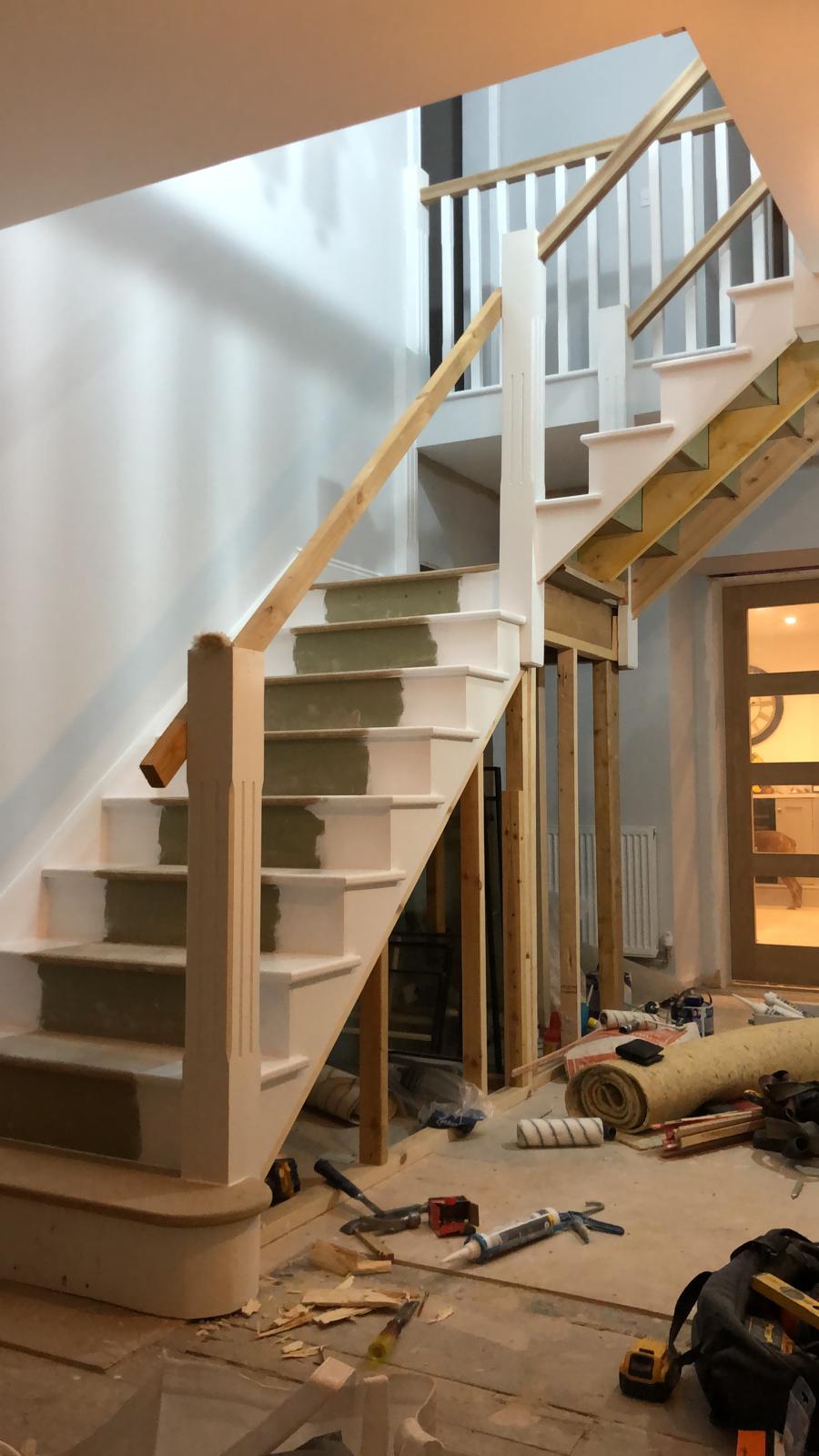
It also helps to see a wider range of work. You can view our work to get a feel for the finish standards and the type of projects completed. I find that seeing real examples makes it easier for homeowners to explain what they like and what they want to avoid.
Check safety and site habits
Safety matters, even on smaller domestic jobs. A well run site tends to be safer, cleaner, and more predictable. If you want to Choose the Right Builder, ask how they manage safety and day to day working.
The Health and Safety Executive (HSE) provides straightforward guidance that applies to construction sites of all sizes. For lifting and carrying, HSE Manual Handling Guidance is useful, especially where heavy materials move through your home.
A good builder will talk you through practical steps like:
- Keeping walkways clear
- Protecting floors and stairs
- Safe storage of tools and materials
- Daily tidy ups and waste control
These habits reduce risk, but they also protect your home.
Communication style matters more than most people think
Many problems in building projects come from poor communication rather than poor skills. During early conversations, notice whether the builder:
- Answers questions clearly
- Explains options and trade offs
- Responds within a reasonable time
- Sets expectations honestly
If you feel rushed, pressured, or ignored before work starts, it rarely improves later.
Confirm insurance and who will be on site
Ask if the builder has public liability insurance and confirm who will actually be doing the work. Some companies quote the job and send a different team to complete it. That can still work fine, but you should know what to expect.
Also ask whether they use subcontractors and how they manage quality control. For larger projects, a builder who coordinates trades well can keep the schedule on track and reduce downtime.
Think about aftercare from the start
Even great work can need small adjustments once everything settles. For example, you might need door hinges tweaked, silicone checked, or minor snagging resolved. A builder who offers proper aftercare will be easier to deal with once the job is complete.
It is worth asking how they handle snagging and whether they provide a structured aftercare approach.
Reviews and reputation
Reviews do not tell the whole story, but they help spot patterns. Look for comments about reliability, cleanliness, and communication, not just the final result.
You can also check reviews on AGC Carpentry & Building Services to see what previous customers have said. I find it helps to read a mix of recent and older feedback so you get a fuller picture.
A simple checklist you can use
Here is a quick way to decide whether someone feels like the right fit:
- They have experience that matches your job
- They explain compliance and approvals clearly
- Their quote is detailed and transparent
- They communicate consistently and professionally
- They take site safety seriously
- They discuss snagging and aftercare
If several of these are missing, keep looking. The right builder should make you feel informed, not uncertain.
Conclusion
To Choose the Right Builder, focus on clarity, relevant experience, and good communication. A builder who plans properly, works safely, and manages quality at each stage will save you stress and protect your budget.
If you want to talk through your plans and get a clear view of next steps, you can contact us and I will point you in the right direction. At AGC Carpentry & Building Services, we aim to keep the process straightforward and deliver work that holds up well over time.