
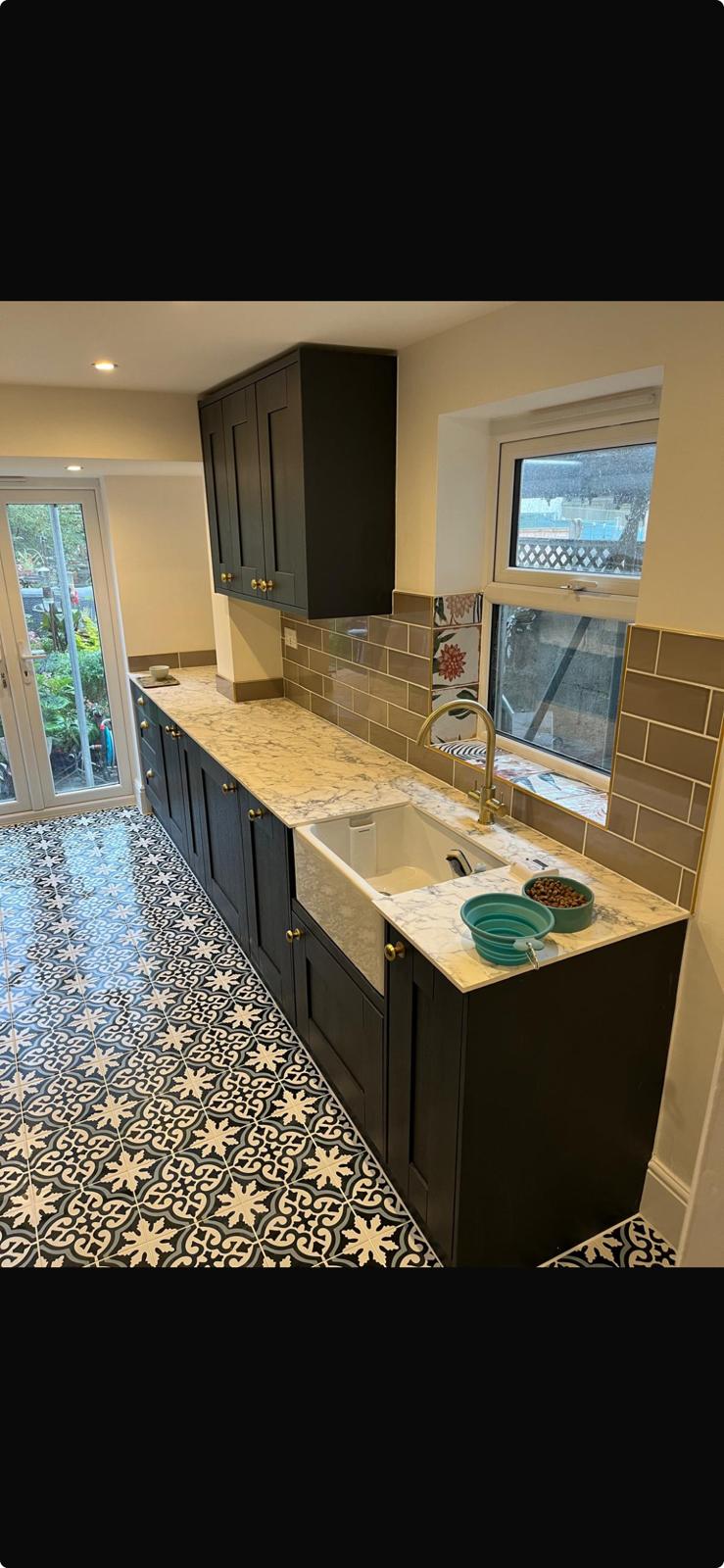
So, How Long Does a Kitchen Renovation Take?
A kitchen renovation is one of the most popular home improvements, but it is also one of the most complex. Homeowners often expect a quick turnaround, yet the reality is that a kitchen renovation involves multiple stages, trades, and decisions that all affect the overall timescale. Understanding how long each stage usually takes helps you plan properly and avoid frustration once work begins.
From experience delivering kitchen projects across Kent, the biggest factor in how long a kitchen renovation takes is not the fitting itself, but the preparation beforehand. We break the process down clearly, explains realistic timelines, and highlights what can slow things down.
What determines how long a kitchen renovation takes
No two kitchen renovations are the same. A straightforward replacement kitchen will take far less time than a project that involves changing the layout, removing walls, or updating services.
The main factors that affect timescales include the size of the kitchen, whether structural work is involved, how quickly decisions are made, and how well the work is planned. Kitchens that are part of wider renovations often run more smoothly because everything is planned together rather than in isolation.
Planning and design stage
The planning stage is where most kitchen renovations either succeed or struggle. This includes measuring the space, finalising the layout, choosing units, selecting worktops, and confirming appliance positions.
For most homeowners, this stage takes between two and six weeks. It can be quicker if decisions are made early, but it often takes longer if layouts change or multiple options are being considered. If your kitchen renovation involves removing walls or altering the structure, it is important to check requirements via the Planning Portal before work starts.
Spending enough time at this stage helps avoid delays later and ensures materials can be ordered accurately.
Ordering materials and lead times
Once the design is confirmed, materials need to be ordered. This includes cabinets, worktops, appliances, flooring, and fittings. Lead times vary depending on suppliers and finishes.
Standard kitchen units may arrive within a few weeks, while bespoke units or stone worktops can take longer. Delays at this stage often push back the entire project, so ordering early is essential.
Good planning allows delivery dates to line up with the start of the build, which helps keep the renovation moving without gaps.
Strip out and preparation
The first stage on site is usually the removal of the existing kitchen. This includes units, appliances, flooring, and sometimes plasterboard.
For an average kitchen, strip out typically takes two to three days. During this stage, hidden issues such as damaged walls, outdated plumbing, or old electrics may be uncovered. While this can add time, dealing with these problems early prevents bigger issues later.
Structural and layout changes
If your kitchen renovation includes layout changes, such as removing walls or opening up adjoining spaces, this stage comes next. Structural work must meet current standards and is often inspected by Local Authority Building Control.
Structural changes can add one to two weeks to a kitchen renovation, depending on complexity. This is also the stage where steels or lintels are installed if required. All structural work must comply with Building Regulations, which cover safety, insulation, and load bearing elements.
First fix electrics and plumbing
First fix work involves installing new electrical wiring and plumbing before walls are finished. This stage determines where sockets, lighting, appliances, and pipework will sit.
For most kitchen renovations, first fix electrics and plumbing take three to five days. Accuracy here is vital. Mistakes at this stage often lead to delays later when units are being fitted.
Clear plans and good coordination between trades help this stage run efficiently.
Plastering and drying time
Once first fix work is complete, walls are plastered. Plastering itself may only take a day or two, but drying time is just as important.
Fresh plaster usually needs several days to dry fully before kitchen units can be installed. Rushing this stage can cause fixings to fail or finishes to crack later on.
Allowing proper drying time helps ensure a better long term result.
Kitchen fitting stage
This is the stage most homeowners think of when they picture a kitchen renovation. Units are installed, appliances are positioned, and the layout finally takes shape.
A standard kitchen fitting usually takes one to two weeks. More complex kitchens, or those with bespoke elements, may take longer. Professional kitchen fitting focuses on careful sequencing so each element fits correctly without rushing.
Delays at this stage often happen if appliances or worktops have not arrived on time.
Worktops and finishing
Worktops are often installed separately, especially stone or composite surfaces. Once units are fitted, final measurements are taken and the worktops are manufactured.
This can add another one to two weeks depending on the material. During this time, other finishing work such as tiling, decorating, and second fix electrics can be completed.
Final connections and checks
The final stage includes connecting appliances, testing electrics, sealing worktops, and completing finishing touches. This usually takes a few days.
Everything should be checked carefully to ensure the kitchen works as intended. Any small adjustments can be made before the project is signed off.
Typical kitchen renovation timescale
In most cases, the on site part of a kitchen renovation takes between four and eight weeks. This does not include the planning and ordering stage, which often adds several weeks before work begins.
If the kitchen renovation forms part of wider building work, such as extensions or layout changes, the overall project may take longer. However, coordinating everything together often reduces disruption compared to tackling projects separately.
What commonly causes delays
The most common delays come from late design changes, slow material deliveries, and unexpected issues uncovered during strip out. Changing layouts or finishes once work has started almost always adds time.
Poor planning is another major factor. Kitchens planned as part of wider renovations usually stay on schedule more easily than standalone projects where decisions are rushed.
Health and safety during kitchen renovations
Kitchen renovations involve lifting heavy units, handling appliances, and working with tools and electrics. Professional builders follow guidance from the Health and Safety Executive to manage risks on site.
Safe lifting practices are particularly important when handling cabinets and worktops. Following HSE Manual Handling Guidance helps reduce the risk of injury and keeps the project running smoothly.
Seeing real examples before you start
Viewing completed projects helps set realistic expectations around both timelines and finishes. You can see examples of completed kitchen and renovation projects by viewing our work, which shows how careful planning affects the final outcome.
Reviews and reassurance
Many homeowners find reassurance in reading feedback from previous clients. Luckily, we have had some of our previous customers leave amazing reviews on AGC Carpentry & Building Services, and we have also added a widget on the website that displays them.
Conclusion
So, how long does a kitchen renovation take? In most cases, the on site work takes four to eight weeks, with additional time needed for planning and ordering. The exact length depends on the size of the kitchen, the level of work involved, and how well the project is prepared.
If you are planning a kitchen renovation and want clear advice on timescales and next steps, you can contact us to discuss your plans. At AGC Carpentry & Building Services, the focus is always on careful planning, realistic timelines, and kitchens that work properly for everyday life.