So, How Much Should I Budget for Home Improvements?
Deciding on a realistic budget for home improvements is one of the first and most important steps when planning any work on your property. Whether you are updating a single room or planning more extensive changes, understanding where costs come from helps you avoid overspending and unexpected stress later on.
Working with homeowners across Kent, I often see that budgeting issues do not come from poor choices, but from a lack of clarity at the start. I will explain how to think about budgeting for home improvements, what factors influence costs, and how to plan your spending in a sensible and practical way.
Start with what you want to achieve
Before putting numbers on paper, it helps to be clear about your goals. Home improvements can serve many purposes, such as improving comfort, increasing space, modernising an older property, or adding value.
Ask yourself what you want the work to achieve in the long term. For example, improving layout and flow may require more investment than cosmetic updates, but it often delivers better day to day benefits. Being clear on priorities helps you allocate your budget more effectively.
Understand the scope of the work
The scope of the project has the biggest impact on your budget for home improvements. Small updates, such as redecorating or replacing fittings, will cost far less than work involving structural changes or multiple trades.
Projects that involve layout changes, structural alterations, or upgrades to services usually require more planning and a higher budget. Our experience with full renovations shows that clearly defining the scope early helps prevent costs from creeping up later.
Planning, permissions, and compliance
Some home improvements require approval before work can begin. If your project includes extensions, significant alterations, or changes to the external appearance of your property, you may need to consider planning permission.
The Planning Portal is a useful starting point when checking whether planning permission applies. Even when permission is not required, work must still comply with Building Regulations, which cover safety, insulation, structure, and drainage.
Inspections carried out by Local Authority Building Control are often part of this process. While compliance adds to the overall cost, it protects you from issues later and should always be factored into your budget.
Labour and materials
Labour and materials usually make up the largest portion of any home improvement budget. Labour costs vary depending on the type of work and the trades involved. Skilled work such as carpentry, plumbing, and electrical installation requires experience and accuracy, which is reflected in pricing.
Material costs can vary widely based on quality and finish. Choosing durable materials may cost more upfront but often saves money in the long run by reducing maintenance and replacement costs. Balancing quality with budget is key.
Kitchens and bathrooms
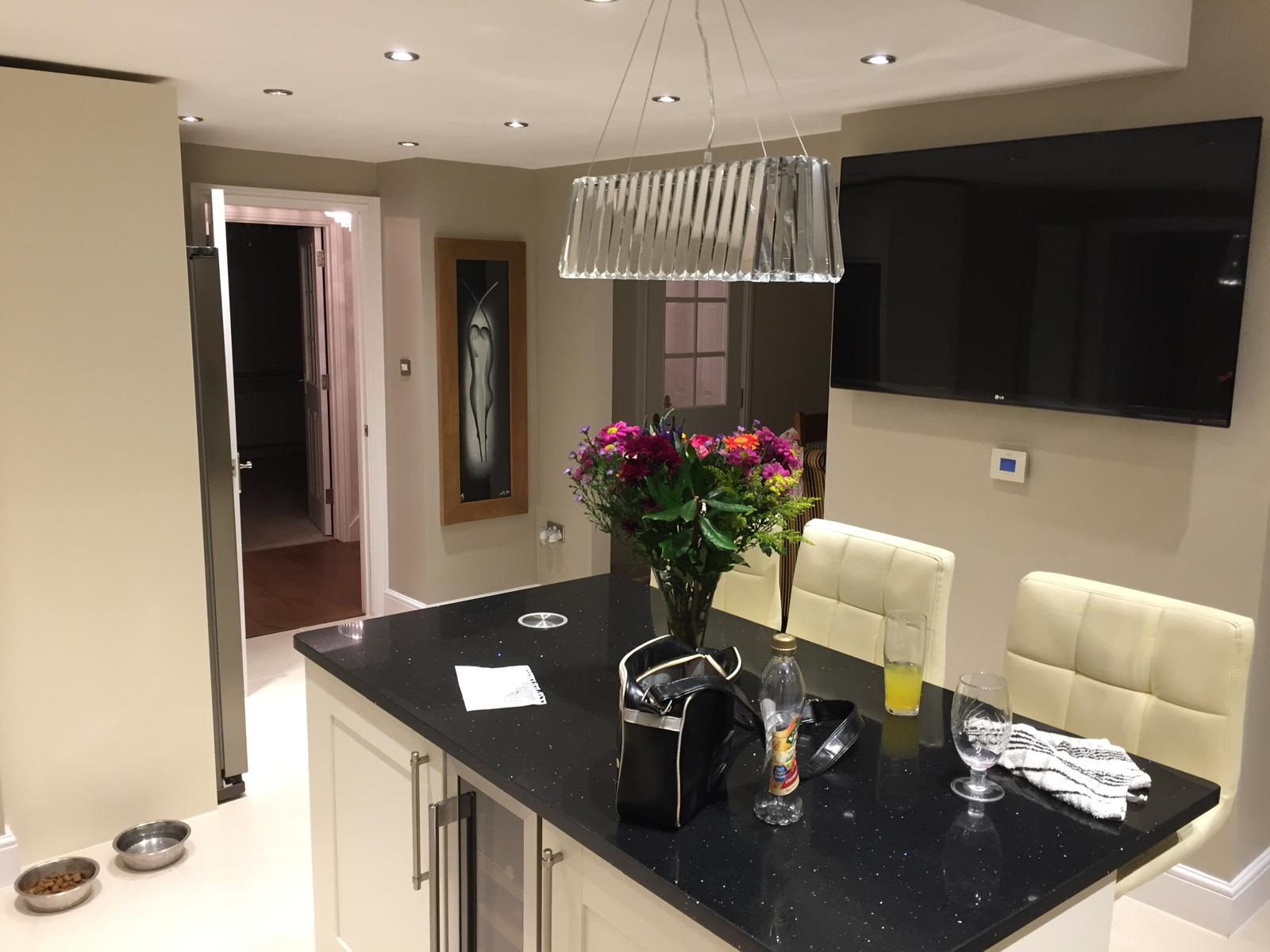
Kitchens and bathrooms are among the most expensive rooms to update, but they are also areas where careful budgeting pays off. Costs depend on layout changes, the quality of fittings, and how much plumbing or electrical work is involved.
Professional kitchen fitting helps ensure that layouts work properly and that services are positioned correctly from the start. Similarly, bathroom fitting must consider ventilation, drainage, and moisture control, all of which affect cost.
Planning these rooms carefully reduces the risk of expensive changes during the build.
Extensions and major changes
Extensions and major alterations require a higher budget because they involve foundations, structural work, and compliance checks. These projects often include multiple stages and trades, which increases both time and cost.
Through our work on extensions and conversions, we see that budgets are more accurate when homeowners understand the full scope, including design, approvals, and finishing work.
While these projects are more expensive, they can significantly improve how a home functions and may add long term value.
Allow for a contingency
One of the most common budgeting mistakes is failing to include a contingency. Even well planned projects can uncover hidden issues, especially in older properties.
A sensible approach is to set aside a contingency fund to cover unexpected work. This allows the project to continue smoothly if additional repairs or upgrades are needed, without forcing compromises elsewhere.
Including contingency in your budget for home improvements provides flexibility and peace of mind.
Phasing work to manage costs
If the total cost of improvements is higher than expected, phasing the work can help manage spending. This involves completing the project in stages rather than all at once.
For example, structural work and layout changes might be completed first, with cosmetic finishes added later. Phasing work allows you to spread costs while still moving towards your overall goal.
Health and safety considerations
Health and safety also plays a role in budgeting. Safe working practices protect both workers and homeowners and reduce the risk of delays caused by accidents.
Professional builders follow guidance from the Health and Safety Executive to manage risks on site. Manual handling is particularly relevant during building work, which is why following HSE Manual Handling Guidance is important.
While safety measures add to costs, they help prevent more serious problems later.
Seeing real examples before setting a budget
Looking at completed projects can help you understand what is realistic for your budget. Viewing similar work provides insight into finishes, layouts, and overall costs.
You can view our work to see examples of home improvement projects completed across Kent. These examples help set expectations and support better budgeting decisions.
Reviews and reassurance
Many homeowners feel more confident once they see feedback from others who have completed similar projects. We are fortunate that previous clients have shared their experiences on AGC Carpentry & Building Services, which helps new clients understand what to expect.
Conclusion
Setting a realistic budget for home improvements starts with understanding your goals, the scope of the work, and the costs involved at each stage. Careful planning, allowance for contingency, and professional guidance all help ensure your budget supports a successful outcome.
If you are planning home improvements and want to talk through costs and options, you can contact us to discuss your project. At AGC Carpentry & Building Services, the focus is on clear advice, practical planning, and improvements that genuinely add value to your home.