
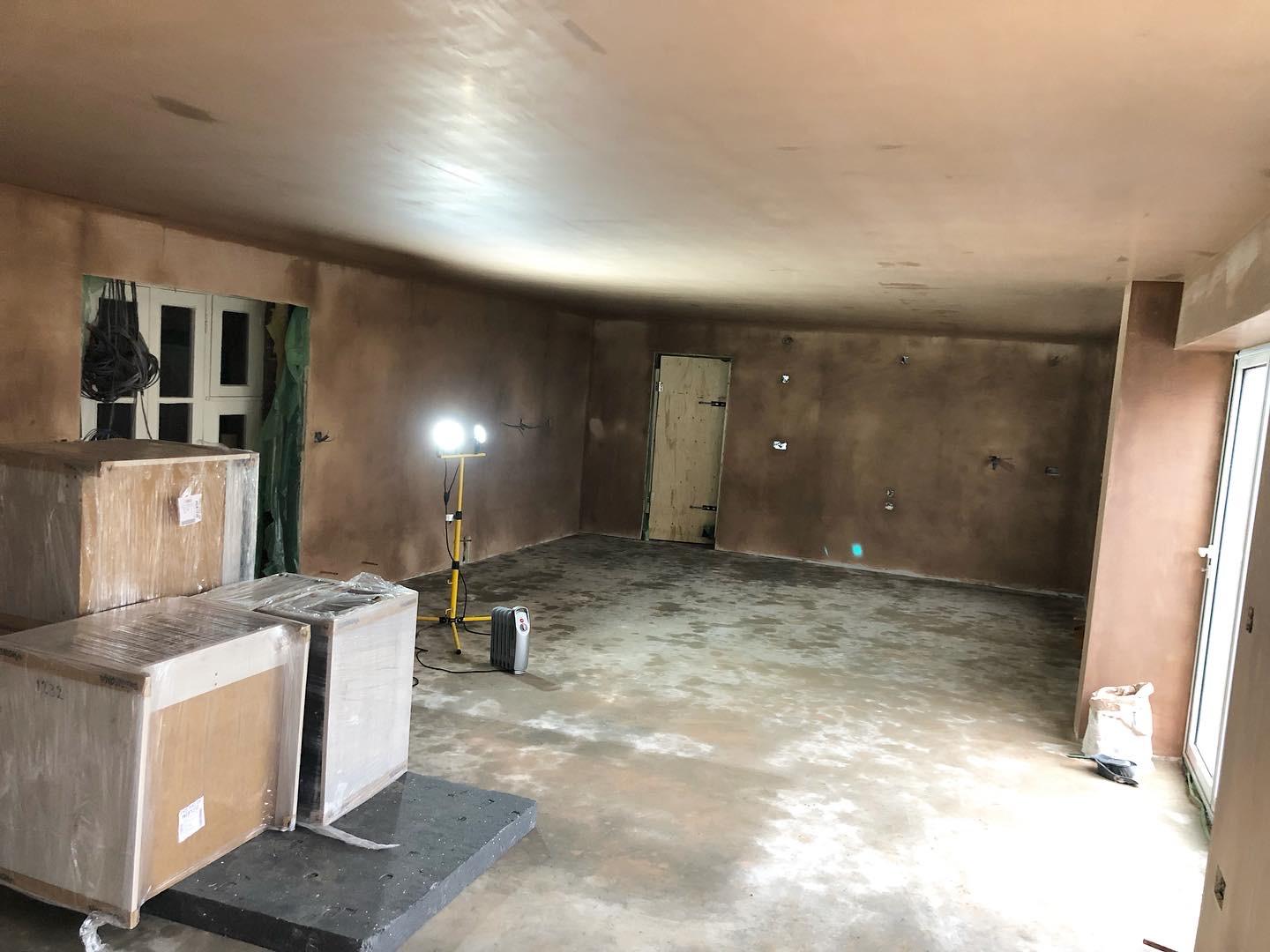
So, How to Prepare Your Home for Building Work
Knowing how to prepare your home for building work can make a huge difference to how smoothly a project runs. While good builders will manage the work itself, the preparation you do beforehand helps reduce disruption, protect your home, and avoid unnecessary delays once work begins.
Working with homeowners across Kent, I often find that the projects which run best are those where expectations are clear and practical steps are taken early. We explain how to prepare your home for building work, what to think about before work starts, and how preparation supports a safer and more efficient build.
Understand the scope of the work
The first step when preparing your home for building work is understanding exactly what is involved. Building projects can range from small internal changes to major structural work, and each comes with different levels of disruption.
Ask questions about which areas of the house will be affected, how long the work is expected to take, and whether services such as water or electricity will be interrupted. If the work forms part of wider renovations, it is especially important to understand how each stage fits together.
Clear understanding helps you plan daily life around the build rather than reacting to changes as they happen.
Check planning and approvals early
Before any building work begins, it is important to confirm whether approvals are required. Some projects need planning permission, while others fall under permitted development.
Using the Planning Portal early helps clarify whether planning permission applies. Even when permission is not required, most building work must still comply with Building Regulations.
During construction, inspections may be carried out by Local Authority Building Control. Knowing this in advance helps avoid unexpected pauses while approvals are arranged.
Declutter and clear work areas
One of the most practical ways to prepare your home for building work is clearing the areas where work will take place. Furniture, personal items, and valuables should be removed or relocated before the build starts.
Clear spaces allow trades to work safely and efficiently. They also reduce the risk of damage to belongings. If work involves multiple rooms or access routes, it may be worth temporarily rearranging how you use your home during the project.
This step alone can significantly improve how smoothly the work progresses.
Protect floors and surfaces
Building work often involves dust, tools, and materials moving through the property. Even careful trades can create mess, so protecting floors and surfaces is essential.
Carpets, wooden floors, and staircases may need covering, especially if they sit along access routes. Builders usually take steps to protect surfaces, but preparing vulnerable areas beforehand adds an extra layer of protection and reduces stress during the project.
Plan access and parking
Builders need safe and practical access to your property. This includes clear entry points, space to store materials, and suitable parking for vehicles.
Before work starts, consider where materials will be delivered and stored. If the project includes structural work or extensions and conversions, deliveries may be larger and more frequent.
Discussing access arrangements early helps avoid delays and neighbour issues once the build is underway.
Prepare for noise and disruption
Building work is rarely quiet. Drilling, cutting, and general construction noise are part of the process. Preparing mentally and practically for this disruption helps manage expectations.
If you work from home or have children, you may need to plan alternative arrangements during particularly noisy stages. Understanding the build schedule allows you to plan around the most disruptive phases.
Good communication with your builder helps ensure there are no surprises.
Kitchens and bathrooms
If the work affects kitchens or bathrooms, preparation becomes even more important. These rooms are essential for daily living, and losing access can be challenging.
During projects involving kitchen fitting or bathroom fitting, you may need temporary solutions. This could include setting up a temporary kitchen area or planning alternative washing arrangements.
Thinking about these practicalities in advance helps reduce inconvenience.
Safety considerations
Preparing your home for building work also means thinking about safety. Construction sites contain hazards such as tools, materials, and exposed areas.
Professional builders follow guidance from the Health and Safety Executive to manage risks on site, but homeowners also play a role. Keeping children and pets away from work areas is essential.
Manual handling is another key consideration, particularly during preparation and clear out. Following HSE Manual Handling Guidance helps reduce the risk of injury when moving furniture or belongings.
Communicate with neighbours
Building work can affect neighbours, especially if it involves noise, deliveries, or access near shared boundaries. Letting neighbours know in advance helps maintain good relationships.
A simple conversation about when work will start and how long it may last often goes a long way. This is particularly important for larger projects or structural changes.
Understand the build sequence
Knowing the general order of work helps you prepare for each stage. Most building projects follow a sequence that includes preparation, structural work, first fix services, plastering, and finishing.
Understanding this sequence allows you to anticipate when rooms will be inaccessible and when disruption will peak. It also helps you plan any temporary living arrangements if needed.
Viewing examples of similar projects
Seeing how other projects have been managed can help you prepare more effectively. Viewing completed work gives insight into how spaces are protected, how disruption is handled, and what the finished result looks like.
You can view our work to see examples of building projects across Kent and how preparation plays a role in successful outcomes.
Reviews and reassurance
Many homeowners feel more confident once they hear from others who have been through building work. We are fortunate that previous clients have shared their experiences on AGC Carpentry & Building Services, and we have also added a widget on the website which displays them.
These reviews often mention how preparation and communication helped the project run smoothly.
Aftercare and settling in
Preparation does not end when the builders leave. Once work is complete, take time to inspect the finished areas and understand any aftercare requirements.
Our aftercare service supports homeowners after completion, helping address minor adjustments as the home settles back into daily use.
Conclusion
Taking time to prepare your home for building work helps reduce stress, protect your property, and support a smoother project overall. Clear planning, practical preparation, and open communication all contribute to better outcomes.
If you are planning building work and would like advice on how to prepare properly, you can contact us to discuss your plans. At AGC Carpentry & Building Services, the focus is on well planned projects, clear communication, and building work that fits around everyday life.