So, How Disruptive Is a House Renovation?
Homeowners often ask how disruptive is a house renovation, especially when they plan to live in the property while work is taking place. Renovation work can bring noise, dust, and changes to daily routines, but the level of disruption depends heavily on the type of work being carried out and how well it is planned.
Having worked on renovation projects across Kent, I have seen that disruption is rarely about the work itself and more about preparation, sequencing, and communication. We explain what makes a house renovation disruptive, which stages tend to be the most challenging, and how disruption can be managed realistically.
What determines how disruptive a house renovation will be
Not all renovations cause the same level of disruption. A cosmetic update will feel very different from a full structural overhaul. The main factors that affect disruption include the size of the project, which rooms are involved, and whether structural work is required.
Projects that form part of larger renovations often involve multiple trades working in sequence. When this is planned properly, disruption is more predictable and easier to manage.
Other factors include how long the work lasts, whether utilities need to be turned off, and whether the household remains in the property during the build.
Early stages and preparation
The early stages of a renovation often involve preparation and strip out. This can include removing old fixtures, fittings, floors, or internal walls. While this phase can be noisy and dusty, it is usually short lived compared to later stages.
Preparation work is disruptive mainly because it changes how spaces are used. Rooms may become inaccessible, and furniture often needs to be moved or stored elsewhere. Preparing in advance helps reduce stress during this phase.
Clear understanding of what will happen first helps homeowners plan around these early disruptions.
Structural work and layout changes
Structural work is typically the most disruptive part of a house renovation. This includes removing or altering walls, changing layouts, or opening up spaces.
Structural stages involve noise, vibration, and increased site activity. Dust control becomes particularly important, especially if parts of the home remain occupied. Structural work must also comply with Building Regulations and is often inspected by Local Authority Building Control.
Although disruptive, this stage is usually completed early so that later work can progress more smoothly.
Extensions and major alterations
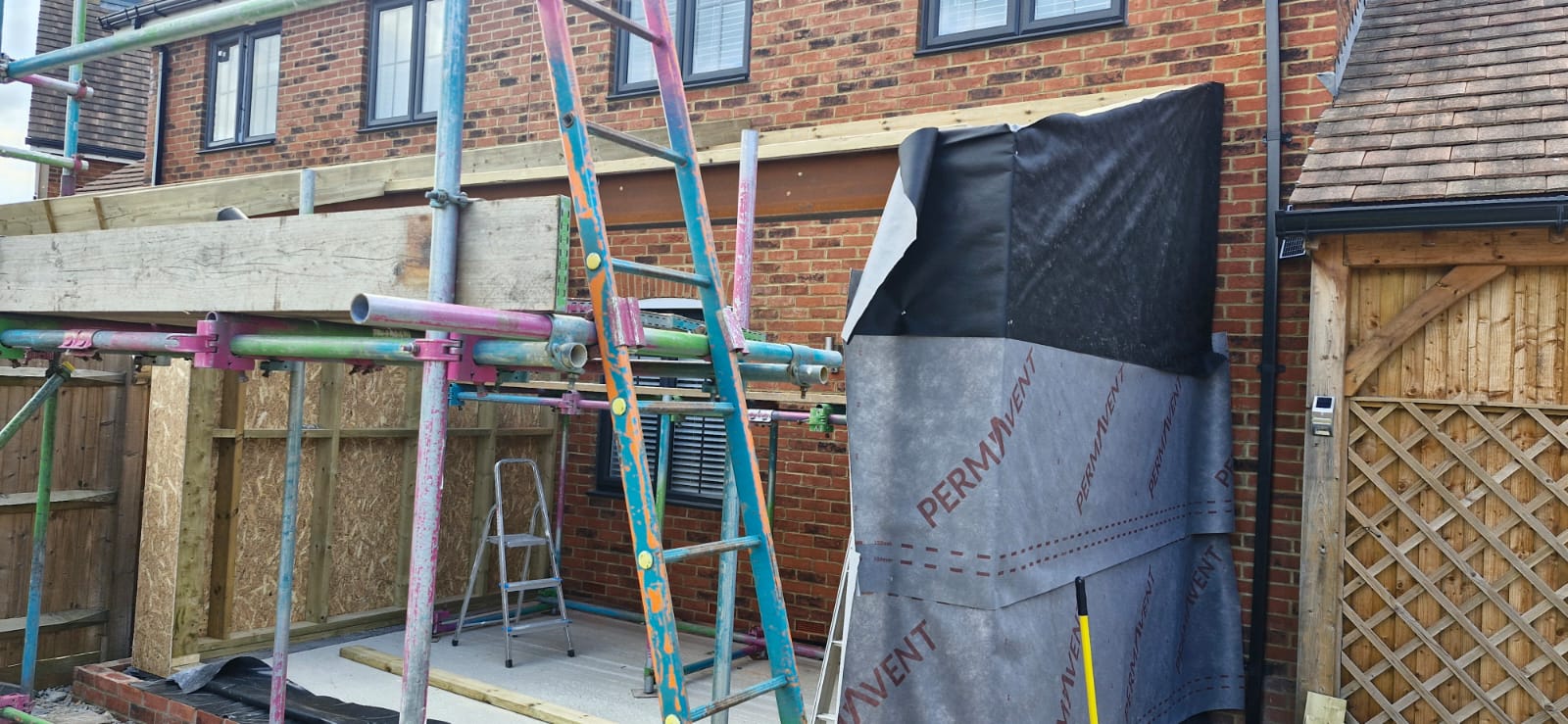
When a renovation includes extensions or major alterations, disruption increases due to the scale of the work. Foundations, new walls, and roof structures all add time and activity on site.
Through projects involving extensions and conversions, disruption often extends outdoors as well as indoors. Access routes, deliveries, and storage areas all affect how the household uses the property during the build.
However, these projects are usually planned so the most disruptive work happens first, allowing the home to settle back into a more usable state as work progresses.
Kitchens and bathrooms
Kitchens and bathrooms are among the most disruptive areas to renovate because they are used daily. Losing access to these rooms affects routines more than most other work.
During kitchen fitting, services such as water and electricity may be interrupted for short periods. Similarly, bathroom fitting often requires plumbing changes that temporarily limit use.
Planning temporary solutions, such as a makeshift kitchen or alternative washing arrangements, helps reduce inconvenience during these stages.
Noise, dust, and cleanliness
Noise and dust are unavoidable parts of most renovations. Cutting, drilling, and moving materials create sound and debris, particularly during early stages.
Good contractors use dust sheets, temporary barriers, and regular clean ups to manage this. While it does not eliminate disruption, it makes living alongside the work more manageable.
Understanding when the noisiest stages will occur helps homeowners plan work, school runs, or time away from the property.
Living in the property during renovation
Many homeowners choose to stay in their home during renovation work. Whether this is practical depends on the scope of the project.
Smaller renovations are usually manageable with some adjustments. Larger projects may require temporary relocation, especially if kitchens, bathrooms, or bedrooms are affected at the same time.
Discussing living arrangements early allows realistic decisions to be made before work begins.
Planning and communication
One of the biggest factors in how disruptive a house renovation feels is communication. Clear timelines, regular updates, and honest discussion help manage expectations.
Checking requirements early through the Planning Portal also helps avoid unexpected delays that increase disruption. When approvals and inspections are planned properly, work flows more smoothly.
Good planning does not remove disruption, but it prevents unnecessary surprises.
Health and safety during renovation work
Renovation sites involve risks, particularly when work is ongoing in occupied homes. Tools, materials, and temporary openings all require careful management.
Professional builders follow guidance from the Health and Safety Executive to manage risks on site. Manual handling is especially relevant when furniture and materials are being moved, which is why HSE Manual Handling Guidance is important during preparation and clear out.
A safe site helps prevent accidents and keeps disruption controlled.
How long does disruption usually last
Disruption tends to peak during the early and structural stages of a renovation. As the project moves into plastering, fitting, and finishing, activity becomes more contained and predictable.
Most homeowners find that once the structure is complete and services are in place, the home starts to feel usable again, even if work is still ongoing.
Understanding this timeline helps put temporary disruption into perspective.
Reducing disruption where possible
While some disruption is unavoidable, there are practical ways to reduce its impact. These include clearing work areas in advance, planning access routes, and keeping essential rooms available where possible.
Viewing similar projects helps set expectations. You can see examples of completed renovations by viewing our work, which shows how projects progress from start to finish.
Seeing real examples often reassures homeowners that disruption is temporary and manageable.
Reviews and reassurance
Many homeowners feel more confident once they hear from others who have been through renovation work. Luckily, we have had some of our previous customers leave amazing reviews on AGC Carpentry & Building Services, and we have also added a widget on the website which displays them.
These reviews often mention clear planning and communication as key reasons the renovation felt manageable.
Aftercare and settling back in
Once renovation work is complete, there is often a short adjustment period as the home returns to normal use. Minor adjustments may be needed as materials settle and spaces are used fully.
Our aftercare service supports homeowners after completion, helping ensure the transition back to everyday life is smooth.
Conclusion
So, how disruptive is a house renovation? The honest answer is that some disruption is inevitable, but it does not need to be overwhelming. The level of disruption depends on the scale of the work, how well it is planned, and how clearly expectations are managed.
With proper preparation, clear communication, and experienced management, renovation work can be handled in a controlled and predictable way. If you are planning a renovation and want to understand what to expect, you can contact us to talk through your plans. At AGC Carpentry & Building Services, the focus is on realistic planning, clear advice, and renovation work that fits around everyday living as smoothly as possible.