So, How Much Does a House Extension Cost in the UK?
Understanding the house extension cost in the UK is one of the first steps homeowners take when considering adding more space to their property. An extension can transform how a home works, but costs vary widely depending on design, size, and how complex the build is. Knowing what influences the price helps you plan realistically and avoid unexpected surprises later.
Working on extension projects across Kent, I often find that uncertainty around cost comes from not knowing what is included at each stage. We explain the typical costs involved in a house extension, what affects the final figure, and how to budget sensibly.
What affects the cost of a house extension
There is no single price for a house extension. The total cost depends on several factors working together. Size is one of the biggest influences, as larger extensions require more materials, labour, and time. However, complexity can have just as much impact as size.
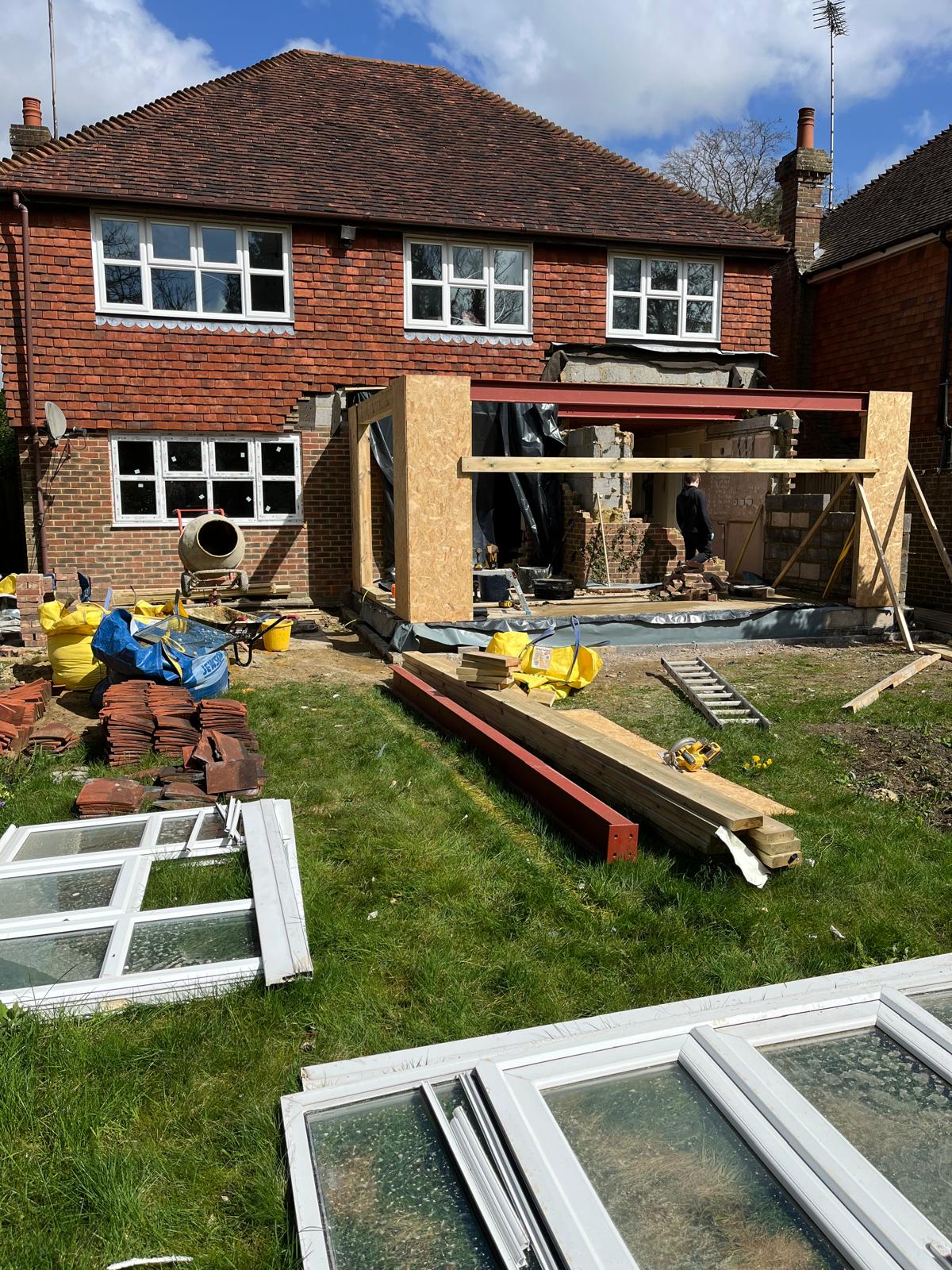
The type of extension matters too. Single storey extensions are usually less expensive than double storey extensions, while side and rear extensions can vary depending on access and ground conditions. Projects that form part of wider extensions and conversions often benefit from shared groundwork and planning, which can help manage overall costs.
Design and planning costs
Before any building work begins, design and planning costs need to be considered. These may include drawings, surveys, and structural calculations.
Some extensions require planning permission, while others fall under permitted development. Checking requirements early through the Planning Portal helps clarify what applies to your property. Even if planning permission is not needed, the extension must still comply with Building Regulations.
These early costs are a small part of the overall budget, but they are essential for avoiding delays and redesign later.
Structural work and foundations
Structural work forms a significant part of the house extension cost in the UK. Foundations, walls, floors, and roof structures all need to be built to current standards.
Ground conditions can affect cost at this stage. Poor soil or restricted access may require deeper foundations or specialist solutions. Structural elements are often inspected by Local Authority Building Control to ensure compliance, which is factored into the build process.
Solid structural work is essential, as it supports everything that follows.
Materials and finishes
Material choice has a major impact on cost. Basic finishes will keep costs lower, while higher quality materials increase the overall budget.
External finishes such as brickwork, render, or cladding affect both appearance and price. Internally, flooring, plastering, and insulation all contribute to the final cost. Choosing materials that match the existing home can sometimes increase expense, but it helps the extension blend naturally with the property.
Balancing quality and budget at this stage is key to long term satisfaction.
Kitchens and bathrooms within extensions
Many extensions include new kitchens, bathrooms, or utility spaces. These rooms add functionality but also increase cost due to services and fittings.
Professional kitchen fitting within an extension includes unit installation, worktops, and appliance positioning. Similarly, bathroom fitting adds plumbing, ventilation, and moisture control requirements.
Including these spaces in the original plan helps ensure costs are realistic and avoids changes mid build.
Labour and timescales
Labour is another major part of extension costs. A house extension involves multiple trades working in sequence, including groundworkers, bricklayers, carpenters, electricians, and plumbers.
The length of the project affects labour cost. Delays caused by changes, weather, or late decisions can increase the overall price. Clear planning and realistic scheduling help keep labour costs under control.
Experienced builders coordinate trades efficiently, which helps projects stay on budget.
Health and safety considerations
Health and safety measures are part of any professional build and contribute to cost. Safe access, scaffolding, and proper handling of materials all protect workers and homeowners.
Professional builders follow guidance from the Health and Safety Executive to manage site risks. Manual handling is particularly relevant during extension work, which is why HSE Manual Handling Guidance is followed when moving materials and equipment.
While safety measures add to cost, they help prevent accidents and costly delays.
Allowing for contingency
One of the most important budgeting steps is allowing for contingency. Even well planned extensions can uncover unexpected issues, particularly with older properties.
A contingency fund provides flexibility if additional work is required. This prevents compromises to finishes or design later in the project.
Including contingency in your house extension cost in the UK helps protect the overall budget.
How to reduce extension costs
Costs can often be managed through careful planning rather than cutting corners. Keeping the design simple, avoiding late changes, and choosing practical materials all help control spending.
Combining an extension with other work, such as wider renovations, can also be more cost effective than carrying out separate projects at different times.
Clear communication with your builder from the start helps identify where savings are realistic without affecting quality.
Seeing real extension projects
Looking at completed projects helps set realistic expectations around cost and finish. Seeing how other extensions have been designed and built provides context for your own plans.
You can view our work to see examples of extension projects completed across Kent and how different design choices affect outcomes.
Reviews and reassurance
Many homeowners feel more confident once they read feedback from others who have completed similar projects. Luckily, we have had some of our previous customers leave amazing reviews on AGC Carpentry & Building Services, and we have also added a widget on the website which displays them.
These reviews often highlight clear pricing and realistic advice as key benefits.
Aftercare and long term value
A house extension is a long term investment, so aftercare matters. Materials settle, and small adjustments may be needed once the space is in use.
Our aftercare service provides continued support after completion, helping protect the value of the work.
Conclusion
So, how much does a house extension cost in the UK? The answer depends on size, complexity, materials, and how well the project is planned. While costs vary, careful preparation and clear budgeting help ensure the investment delivers real value.
If you are considering an extension and want realistic advice on costs and next steps, you can contact us to discuss your plans. At AGC Carpentry & Building Services, the focus is on clear guidance, careful planning, and extensions that improve how homes work for everyday living.