So, What Is a Structural Wall and Can It Be Removed?
Understanding what a structural wall is and whether it can be removed is essential before making layout changes in your home. Many renovation projects involve opening up spaces, creating open plan living areas, or improving flow between rooms. However, removing the wrong wall without proper assessment can cause serious structural problems.
Working on renovation projects across Kent, I often find that homeowners are unsure which walls are structural and what is involved in removing them safely. We explain what a structural wall is, how to identify one, whether it can be removed, and what approvals are required.
What is a structural wall
A structural wall, sometimes referred to as a load bearing wall, supports weight from above. This weight may come from floors, the roof, or other structural elements of the building.
Structural walls transfer loads down to the foundations. Without them, the building would not remain stable. Removing or altering a structural wall without adequate support can lead to sagging floors, cracked ceilings, or more serious structural failure.
Understanding the role of a structural wall is the first step before making any changes.
How to identify a structural wall
Identifying a structural wall is not always straightforward. Some structural walls run perpendicular to floor joists and carry weight from above, while others support beams or roof structures.
Clues that a wall may be structural include its position relative to other walls, its thickness, and whether it aligns with walls on floors above. However, visual clues alone are not enough to confirm.
In most cases, a structural assessment is required to determine whether a wall is load bearing.
Can a structural wall be removed
Yes, a structural wall can usually be removed, but it must be replaced with appropriate structural support. This typically involves installing a steel beam, often referred to as an RSJ, to carry the load previously supported by the wall.
The size and specification of the beam depend on the loads involved. This calculation must be carried out properly to ensure safety.
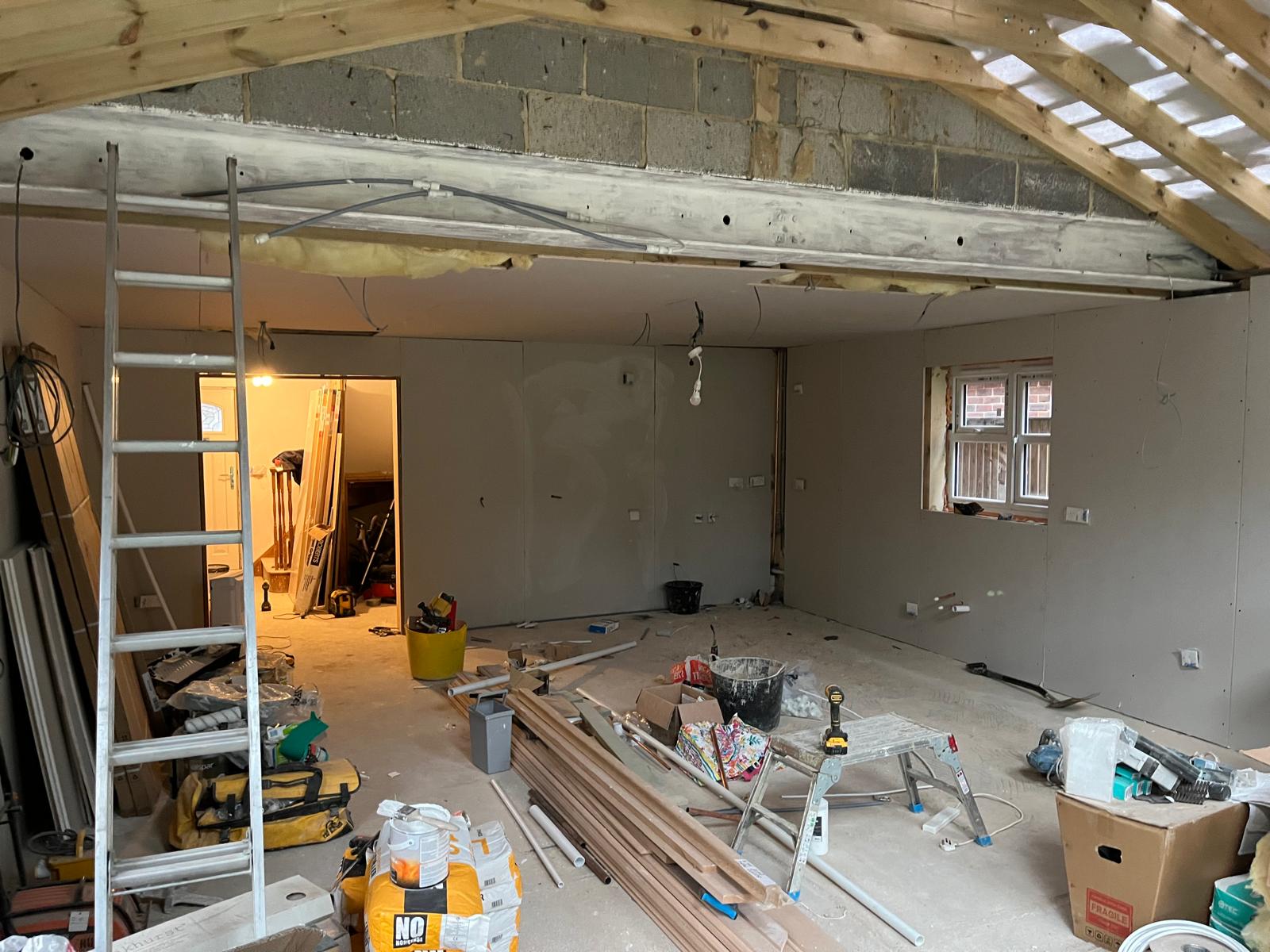
Removing a structural wall is common in projects that form part of wider renovations or layout changes. When handled correctly, it can significantly improve how a home functions.
Building Regulations requirements
Any work involving a structural wall must comply with Building Regulations. These regulations ensure that the new structural support is adequate and safely installed.
Before work begins, plans and calculations are usually submitted for approval. During construction, inspections may be carried out by Local Authority Building Control to confirm compliance.
Approval is required even if planning permission is not needed.
Do you need planning permission
In most cases, removing an internal structural wall does not require planning permission because it does not affect the external appearance of the building. However, if the work forms part of a larger project, such as an extension, planning permission may apply.
Checking requirements early through the Planning Portal helps clarify what approvals are necessary. Understanding the difference between planning permission and building regulations helps avoid confusion.
The process of removing a structural wall
The process begins with a structural assessment and calculations. Once approved, temporary supports are installed to hold the structure while the wall is removed.
The steel beam is then positioned and secured, usually supported by padstones or new structural elements. Once the beam is in place and inspected, the temporary supports are removed.
The area is then made good with plastering and finishing. While the structural stage may only take a few days, the overall process includes preparation and approvals.
How long does it take
Removing a structural wall usually takes one to two weeks from start to finish, including preparation and making good. The physical removal and beam installation may only take a few days, but inspections and finishing work add time.
Projects involving additional structural changes or extensions will naturally take longer.
Proper planning ensures that disruption is managed effectively.
Health and safety considerations
Structural work involves lifting heavy materials, working at height, and supporting loads temporarily. Safety is therefore essential throughout the process.
Professional builders follow guidance from the Health and Safety Executive to manage site risks. Manual handling is particularly important when installing steel beams, which is why HSE Manual Handling Guidance is followed.
Safe working practices protect both workers and homeowners.
Structural walls in kitchen renovations
One of the most common reasons for removing a structural wall is to create open plan kitchen living spaces. Combining rooms can improve light and flow, especially in older properties.
Professional kitchen fitting often follows structural alterations to ensure the new space functions properly. Removing a structural wall at the right stage in the project helps prevent delays later.
Open plan kitchens are a popular way to modernise homes.
Structural walls in extensions and conversions
Structural walls also play a major role in extensions and conversions. When adding new space, existing structural elements may need to be altered to connect old and new areas.
Through projects involving extensions and conversions, structural work is carefully planned to ensure stability and compliance.
Accurate sequencing is key to keeping projects on schedule.
Viewing completed structural projects
Seeing examples of structural alterations helps homeowners understand what is involved. You can view our work to see examples of renovation and structural projects completed across Kent.
Real examples provide reassurance about quality and finish.
Reviews and reassurance
Structural work can feel daunting, so reassurance is important. Luckily, we have had some of our previous customers leave amazing reviews on AGC Carpentry & Building Services, and we have also added a widget on the website which displays them.
These reviews often highlight clear communication and careful planning.
Aftercare and support
After structural work is complete, small adjustments may be needed as the building settles. Cracks in plaster can sometimes appear as new beams take load.
Our aftercare service provides ongoing support after completion, helping ensure everything remains in good condition.
Conclusion
A structural wall plays a critical role in supporting your home, but it can often be removed safely with the right planning and approvals. The key is proper assessment, compliance with regulations, and professional installation of replacement support.
If you are considering removing a structural wall and would like clear advice before making changes, you can contact us to discuss your plans. At AGC Carpentry & Building Services, the focus is on safe structural work, careful planning, and renovations that improve how homes function.