
So, What Is First Fix and Second Fix Carpentry?
Understanding first fix and second fix carpentry is important if you are planning any kind of building or renovation work. These two stages form the backbone of how a project progresses, and knowing the difference helps you understand timelines, costs, and what to expect on site.
From working on projects across Kent, what actually tends to confuse homeowners is that they only notice the second fix stage, because that is what you can see. However, the first fix stage is just as important, even though most of it is hidden behind walls and floors once the job is complete.
We explain what first fix and second fix carpentry involve, when each stage happens, and why both are essential to a successful build.
What is first fix carpentry
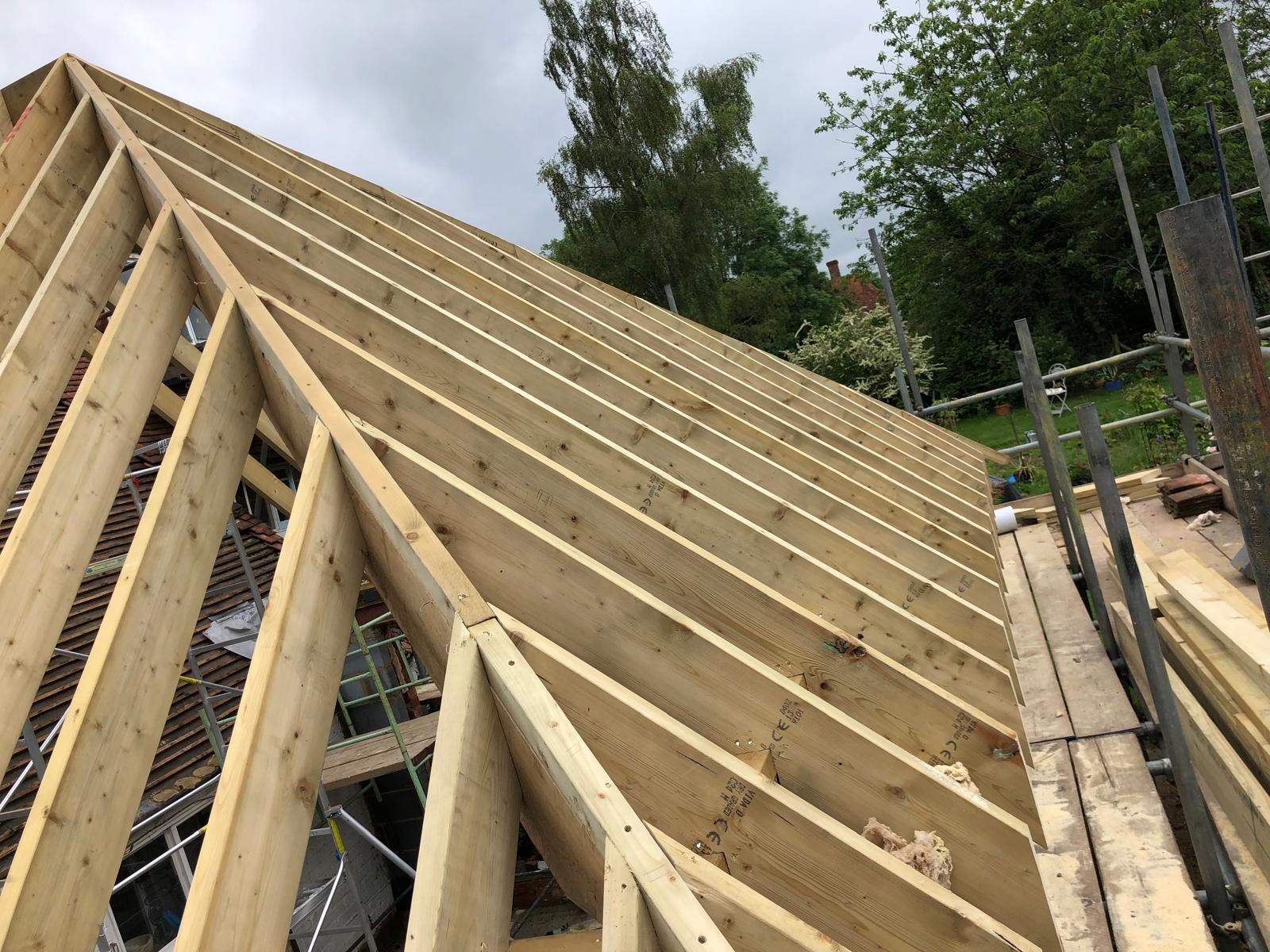
First fix carpentry takes place early in the build, before plastering and finishing work. This stage focuses on the structural and framework elements of the property.
Typical first fix carpentry includes installing floor joists, roof structures, stud walls, and door frames. It also involves preparing openings for windows and structural supports.
In practice, what we often see is that issues at first fix stage cause the biggest problems later. If framing is not level or correctly positioned, it affects everything that follows, from plastering to kitchen installation.
First fix work is not visible at the end, but it determines how well the finished project comes together.
What is second fix carpentry
Second fix carpentry takes place after plastering and decoration are complete. This is the stage where visible elements are installed and finished.
Second fix work typically includes fitting doors, skirting boards, architraves, staircases, and built in storage. It also involves finishing touches that give the space its final appearance.
Unlike first fix, this stage is what homeowners notice most. However, the quality of second fix carpentry depends heavily on how well the first fix stage was completed.
Why the two stages are separated
First fix and second fix carpentry are separated to allow different trades to work efficiently without interfering with each other.
After first fix carpentry is complete, electricians and plumbers carry out their own first fix work. Walls are then plastered, which covers the structural elements.
Once this is done, second fix carpentry can begin without risk of damage from earlier stages.
From experience, projects that follow this sequence properly run far more smoothly.
How first fix fits into a full build
First fix carpentry is a key stage in larger projects such as full renovations. It sets the structure for the entire property.
For example, during structural changes or layout alterations, new stud walls and frameworks are installed at first fix stage. This determines room sizes, door positions, and overall flow.
Getting this stage right avoids costly adjustments later.
Second fix in kitchens and interiors
Second fix carpentry plays a major role in finishing spaces, particularly kitchens. Installing units, trims, and finishing details requires precision.
Professional kitchen fitting relies heavily on second fix carpentry to ensure units align correctly and finishes are clean.
In practice, what often separates an average finish from a high quality one is the attention to detail during this stage.
First fix in extensions and conversions
First fix carpentry is especially important in projects involving extensions and conversions. New structures must be built accurately to integrate with the existing property.
This includes roof framing, floor structures, and internal walls. Any mistakes at this stage can affect the entire build.
Careful planning and precise execution are essential.
Building Regulations and structural work
First fix carpentry often involves structural elements, which must comply with Building Regulations. These regulations ensure the structure is safe and suitable for use.
Inspections may be carried out by Local Authority Building Control during construction to confirm compliance.
Checking requirements early through the Planning Portal also helps ensure the project is properly approved.
How long each stage takes
The time required for first fix and second fix carpentry depends on the size and complexity of the project.
First fix carpentry can take several days to a few weeks, particularly on larger builds or extensions. Second fix carpentry is usually quicker but requires more precision.
In practice, delays often occur when first fix work is not completed properly, which then affects second fix progress.
Common mistakes homeowners make
From real project experience, a few common mistakes tend to cause issues:
- Rushing the first fix stage to move on to visible work
- Making layout changes after first fix is complete
- Underestimating the importance of accurate measurements
- Assuming second fix can correct first fix errors
What actually happens in these cases is delays, additional costs, and compromises in finish.
Health and safety during carpentry work
Both first fix and second fix carpentry involve tools, materials, and physical work. Safety is therefore essential throughout the process.
Professionals follow guidance from the Health and Safety Executive to manage risks. Manual handling is particularly relevant when working with timber and structural elements, which is why HSE Manual Handling Guidance is followed.
Safe working practices help ensure the project runs smoothly.
Seeing completed carpentry work
Understanding the difference between first fix and second fix carpentry becomes clearer when you see completed projects. You can view our work to see examples across Kent.
These examples show how structural work and finishing details come together in the final result.
Reviews and reassurance
Choosing the right team for carpentry work is important. Luckily, we have had some of our previous customers leave amazing reviews on AGC Carpentry & Building Services, and we have also added a widget on the website which displays them.
This feedback highlights attention to detail and consistent workmanship.
Aftercare and finishing adjustments
After second fix carpentry is complete, small adjustments may be needed as materials settle. Doors may need slight realignment, and finishes may require minor touch ups.
Our aftercare service provides ongoing support after completion, helping maintain the quality of the work.
Conclusion
Understanding first fix and second fix carpentry helps you see how a project comes together from structure to finish. First fix creates the framework, while second fix delivers the visible detail.
Both stages are essential, and the quality of the final result depends on getting each one right. If you are planning a project and want advice on how carpentry fits into the process, you can contact us to discuss your plans. At AGC Carpentry & Building Services, the focus is on precision at every stage, from structure through to final finish.