So, How Long Does a Full House Renovation Take?
One of the first questions homeowners ask when planning major work is how long a house renovation will actually take. A full house renovation can completely transform a property, but it is also one of the most complex types of building work. Timescales vary widely depending on the size of the house, the scope of the work, and how well the project is planned from the outset.
Having worked on full house renovation projects across Kent, I have found that delays rarely come from the building work itself. Instead, they usually come from unclear planning, late decisions, or unexpected issues uncovered once work begins. We explain the typical stages of a full house renovation, how long each stage can take, and what factors influence the overall timeline.
What is classed as a full house renovation
A full house renovation usually involves work across most or all of a property rather than focusing on a single room. This often includes structural alterations, layout changes, new kitchens and bathrooms, updated electrics and plumbing, and full internal refurbishment.
Many projects also involve improving insulation, replacing floors, and modernising older properties to meet current standards. Because so many elements are involved, a full house renovation requires careful coordination between trades and a clear build sequence.
Projects of this scale are very different from cosmetic updates and should always be planned as a complete process rather than a series of separate jobs.
What affects how long a house renovation takes
There is no fixed timeframe for a house renovation. Several factors influence how long the work will take, including the size and age of the property, the extent of structural work, and whether extensions or conversions are involved.
Older homes often take longer because hidden issues such as outdated wiring, damaged joists, or poor insulation may only become visible once work starts. Projects that form part of larger renovations also take longer due to the number of stages involved.
The level of preparation before work begins has the biggest impact on overall timescales.
Planning and design stage
The planning stage is often underestimated, yet it plays a major role in how smoothly a full house renovation runs. This stage includes surveys, layout design, structural planning, and selecting finishes.
For many homeowners, planning can take several weeks or even months, depending on how quickly decisions are made. If the renovation involves structural changes, extensions, or major layout alterations, it is important to check requirements early using the Planning Portal.
Even where planning permission is not required, all work must comply with Building Regulations, which cover structure, insulation, fire safety, and drainage. Factoring this in early prevents delays later.
Strip out and preparation
Once work begins on site, the first physical stage is usually strip out. This involves removing old kitchens, bathrooms, flooring, plaster, and sometimes internal walls.
Strip out can take anywhere from one to three weeks depending on the size of the house and the amount being removed. This stage is often noisy and dusty, but it is essential for exposing the structure and identifying any hidden problems.
Unexpected findings at this stage can affect timescales, but addressing them early prevents more serious issues later.
Structural work and layout changes
Structural work is one of the longest stages of a full house renovation. This includes removing or altering load bearing walls, installing steels, strengthening floors, and opening up spaces.
Structural work must meet current standards and is usually inspected by Local Authority Building Control. This stage can take several weeks depending on complexity.
Once structural changes are complete, the house begins to take shape, and later stages can move forward more predictably.
Extensions and conversions
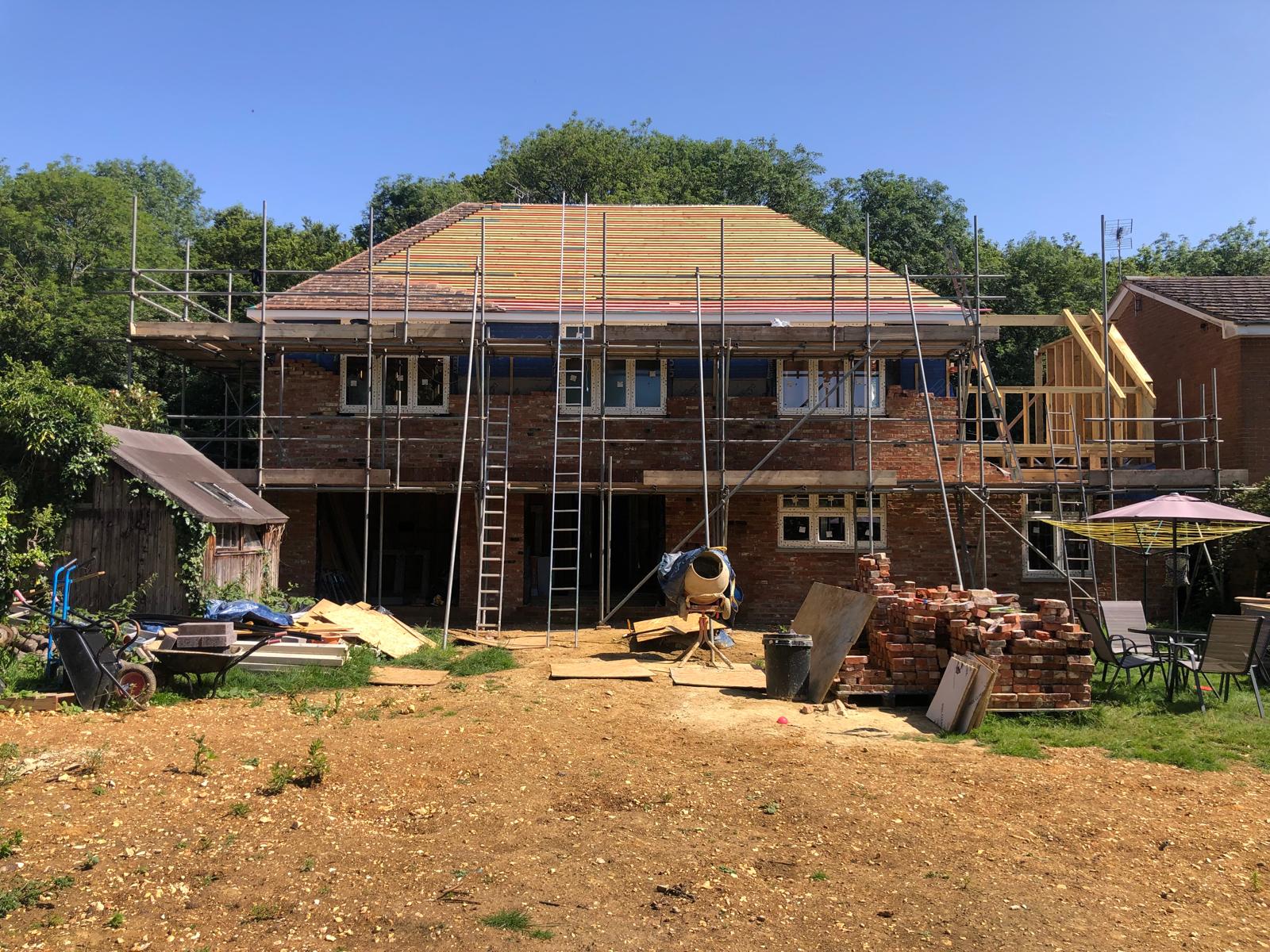
If the renovation includes additional space, such as extensions or loft conversions, this will add time to the project. Foundations, walls, roofs, and external finishes all need to be completed before internal work can progress fully.
Through projects involving extensions and conversions, this stage often runs alongside internal structural work to reduce overall timescales. However, weather and access can influence how long this phase takes.
Extensions are usually one of the longest parts of a full house renovation.
First fix electrics and plumbing
Once the structure is complete, first fix electrics and plumbing can begin. This stage involves running cables, pipework, and services throughout the house before walls and floors are finished.
For a full house renovation, first fix work often takes two to four weeks. Accuracy at this stage is essential, as mistakes can cause delays later when kitchens, bathrooms, and fittings are installed.
Good coordination between trades keeps this stage moving efficiently.
Plastering and drying time
After first fix work, walls and ceilings are plastered. Plastering itself may take one to two weeks depending on the size of the house, but drying time must also be allowed.
Fresh plaster needs time to dry fully before decorating and fitting can begin. Rushing this stage can affect finishes and lead to issues later.
This phase often feels slower, but it is an important part of achieving a good long term result.
Kitchens and bathrooms
Kitchens and bathrooms are major milestones in a full house renovation. These rooms involve multiple trades and require careful sequencing.
Professional kitchen fitting usually takes one to two weeks, depending on the size and complexity of the kitchen. Similarly, bathroom fitting often takes one to two weeks per bathroom.
When multiple bathrooms are involved, this stage can add several weeks to the overall timeline.
Second fix and finishing
Second fix work includes fitting doors, skirting, sockets, lighting, and completing decorative finishes. This stage brings the renovation together and makes the house feel complete again.
Second fix and finishing often take two to four weeks depending on the size of the property and the level of detail involved. This is also when small adjustments are made to ensure everything works as intended.
Typical full house renovation timescale
For most properties, a full house renovation takes between three and six months from the start of on site work. Larger homes or projects involving extensions can take longer.
This does not include the planning and design stage, which can add several months before work begins. Homeowners who plan thoroughly often find that on site work progresses more smoothly and finishes closer to the expected timeframe.
What causes delays during a house renovation
Common causes of delays include late design changes, materials arriving late, and unexpected issues uncovered during strip out. Changes made once work is underway almost always add time.
Poor planning is another major factor. Renovations planned as a complete project usually run more efficiently than those tackled in stages.
Clear communication throughout the project helps manage expectations when delays do occur.
Health and safety considerations
A full house renovation involves risks such as working at height, manual handling, and operating tools across multiple areas of the property.
Professional builders follow guidance from the Health and Safety Executive to manage site safety. Manual handling is particularly important during large renovations, which is why HSE Manual Handling Guidance is followed when moving materials and fittings.
Good safety practices protect everyone involved and help keep the project on schedule.
Seeing examples of completed renovations
Looking at completed projects helps homeowners understand what is realistic in terms of both time and outcome. You can view our work to see examples of full house renovations completed across Kent.
These examples show how careful planning affects both timelines and final results.
Reviews and reassurance
Many homeowners feel more confident once they hear from others who have completed similar projects. Luckily, we have had some of our previous customers leave amazing reviews on AGC Carpentry & Building Services, and we have also added a widget on the website which displays them.
These reviews often highlight clear planning and realistic timescales.
Aftercare once the renovation is complete
A full house renovation does not end on completion day. Materials settle, and small adjustments may be needed as the house returns to normal use.
Our aftercare service provides ongoing support after completion, helping protect the quality of the work.
Conclusion
So, how long does a full house renovation take? In most cases, between three and six months of on site work, with additional time needed for planning and preparation. The exact timeframe depends on the size of the property, the scope of work, and how well the project is planned.
With clear decisions, proper sequencing, and experienced management, a full house renovation can progress in a controlled and predictable way. If you are planning a renovation and want realistic advice on timescales, you can contact us to discuss your plans. At AGC Carpentry & Building Services, the focus is on careful planning, clear communication, and renovations that deliver long term value.