So, What Is a Loft Conversion and Is It Worth It?
A loft conversion is one of the most popular ways to add space to a home without extending outward. However, many homeowners still ask whether a loft conversion worth it from both a financial and practical perspective.
If you are short on space but do not want to move, converting your loft can transform unused roof space into a functional room. Working on renovation and conversion projects across Kent, I have seen loft conversions used for bedrooms, home offices, bathrooms, and even self contained living areas. We explain what a loft conversion involves and whether it makes sense for your property.
What is a loft conversion
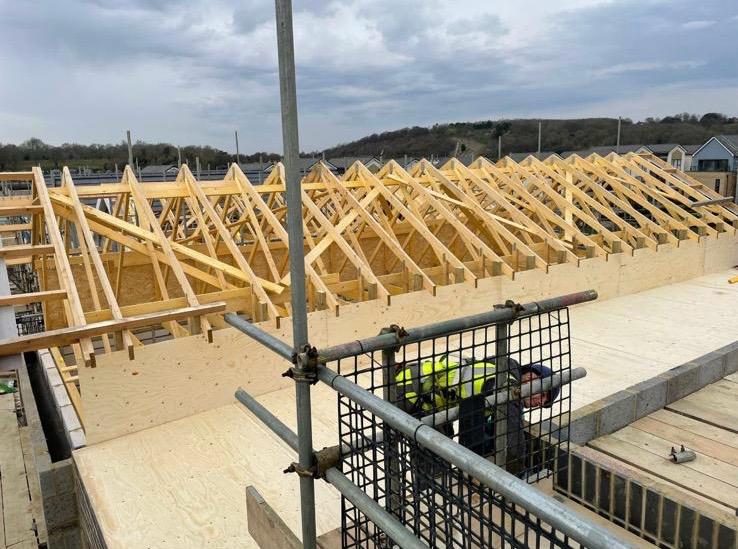
A loft conversion involves transforming unused roof space into a liveable room. This usually requires strengthening the floor, adding insulation, installing windows, and providing safe access via a staircase.
There are several types of loft conversions, including roof light conversions, dormer conversions, hip to gable conversions, and mansard conversions. The type chosen depends on the structure of the roof and the amount of head height available.
Through projects involving extensions and conversions, loft conversions are carefully designed to make the most of existing space while meeting structural and safety standards.
What is involved in the process
A loft conversion usually follows several stages. First, the loft space is assessed to determine whether it is suitable for conversion. Head height, roof structure, and access are all important considerations.
Structural work is often required to strengthen the floor and support the new room. Steel beams may be installed to carry loads safely. Once the structure is secure, insulation, windows, electrics, and plumbing can be installed.
Finally, plastering and finishing work complete the space. Although the process can take several weeks, most of the work is contained within the roof area, which reduces disruption compared to full extensions.
Do you need planning permission
Many loft conversions fall under permitted development, meaning planning permission is not required. However, this depends on the scale of the work and the property type.
It is important to check requirements through the Planning Portal before work begins. Even if planning permission is not needed, the project must still comply with Building Regulations.
Building regulations cover structural safety, insulation, fire protection, and staircase design. Inspections are often carried out by Local Authority Building Control during the build.
How long does a loft conversion take
A standard loft conversion usually takes between six and ten weeks, depending on complexity. Simpler roof light conversions may be completed more quickly, while dormer or mansard conversions take longer.
Clear planning and early approval help keep timelines realistic. Delays often occur when structural issues are discovered late or design changes are made during construction.
When managed properly, loft conversions progress in a structured and predictable way.
How disruptive is a loft conversion
Compared to ground floor extensions, loft conversions are often less disruptive. Much of the work takes place above the main living areas.
However, there will still be noise from structural work and temporary disruption when the new staircase is installed. Dust control and clear communication help manage this stage.
In many cases, households can remain in the property while the work is carried out.
What does a loft conversion cost
The cost of a loft conversion varies depending on size, type, and finishes. Basic roof light conversions are usually more affordable, while dormer or mansard conversions involve more structural work and therefore higher costs.
Although it is a significant investment, adding an extra bedroom and bathroom can increase both usable space and property value. Comparing this to the cost of moving often makes a loft conversion financially attractive.
Is a loft conversion worth it financially
From a financial perspective, a loft conversion can add substantial value to a property, particularly if it creates an additional bedroom in an area where space is limited.
Properties with more bedrooms often attract higher resale values. In many cases, the increase in value can offset a large portion of the conversion cost.
However, the real value also depends on local market conditions and the quality of the work carried out.
Is a loft conversion worth it practically
Beyond financial return, many homeowners consider whether a loft conversion worth it in terms of everyday living.
Creating an additional bedroom, office, or quiet space can significantly improve how a home functions. Rather than moving to gain space, homeowners can adapt their current property to meet changing needs.
When designed properly, a loft conversion feels like a natural extension of the home rather than an afterthought.
Health and safety considerations
Loft conversions involve structural alterations, working at height, and installing heavy materials. Safety is therefore a key consideration throughout the project.
Professional builders follow guidance from the Health and Safety Executive to manage site risks. Manual handling is particularly important when installing structural elements, which is why HSE Manual Handling Guidance is followed.
Safe working practices protect both workers and homeowners during the build.
Viewing completed loft conversions
Seeing completed projects helps homeowners understand what is possible. You can view our work to see examples of conversions and renovation projects completed across Kent.
These examples demonstrate how unused loft space can be transformed into practical living areas.
Reviews and reassurance
Choosing the right team is essential for a successful conversion. Luckily, we have had some of our previous customers leave amazing reviews on AGC Carpentry & Building Services, and we have also added a widget on the website which displays them.
Clear planning and careful workmanship are often highlighted in this feedback.
Aftercare and ongoing support
After a loft conversion is complete, small adjustments may be needed as the structure settles. Ongoing support ensures everything continues to perform as expected.
Our aftercare service provides continued assistance after completion, helping maintain the quality of the work long term.
Conclusion
So, what is a loft conversion and is a loft conversion worth it? In many cases, yes. It provides valuable extra space, can increase property value, and often causes less disruption than a traditional extension.
With proper planning, compliance with regulations, and experienced workmanship, a loft conversion can be a practical and worthwhile investment. If you are considering converting your loft and would like to explore your options, you can contact us to discuss your plans. At AGC Carpentry & Building Services, the focus is on thoughtful design, safe construction, and conversions that genuinely improve how homes work.