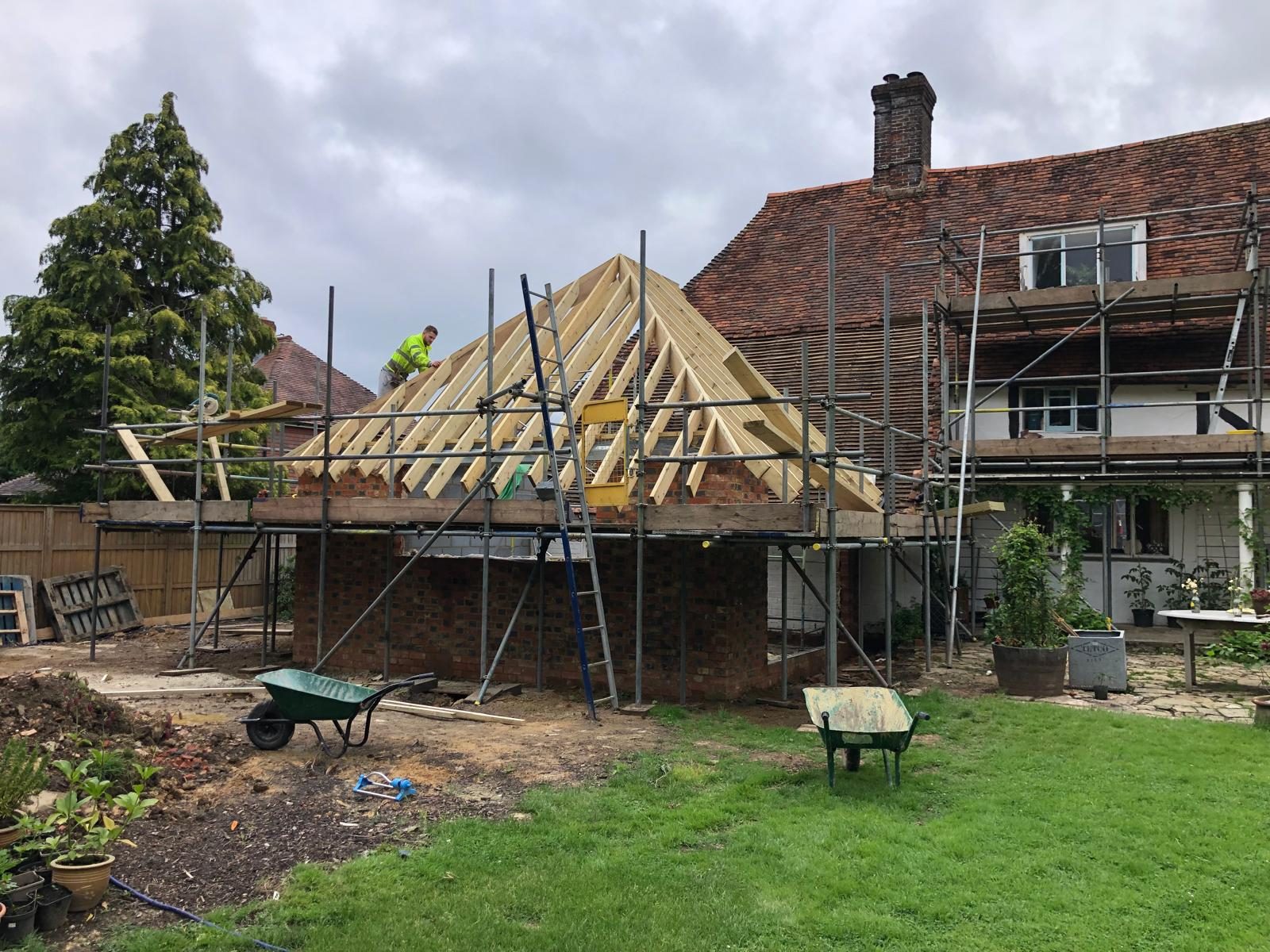
A turnkey building project is a construction or renovation project where the builder manages everything from start to finish, delivering the property ready to use once the work is complete. Instead of hiring separate contractors for each stage, the homeowner works with one team that oversees planning, coordination, construction, and finishing.
From working with clients across Kent, we’ve found that turnkey projects work best for homeowners who want clear communication and a single point of responsibility throughout the build. In our experience, a turnkey building project works better than managing separate trades yourself because delays, scheduling issues, and accountability problems are significantly reduced when one company controls the full process.
Over the last several years, we’ve completed more than 200 renovation, extension, and carpentry projects across Kent, and a large percentage of those have followed a turnkey approach. What consistently makes the difference is not just the building work itself, but how well the project is planned and coordinated behind the scenes.
What is included in a turnkey building project
A turnkey building project usually includes every stage required to complete the work. This often covers:
- Initial planning and design discussions
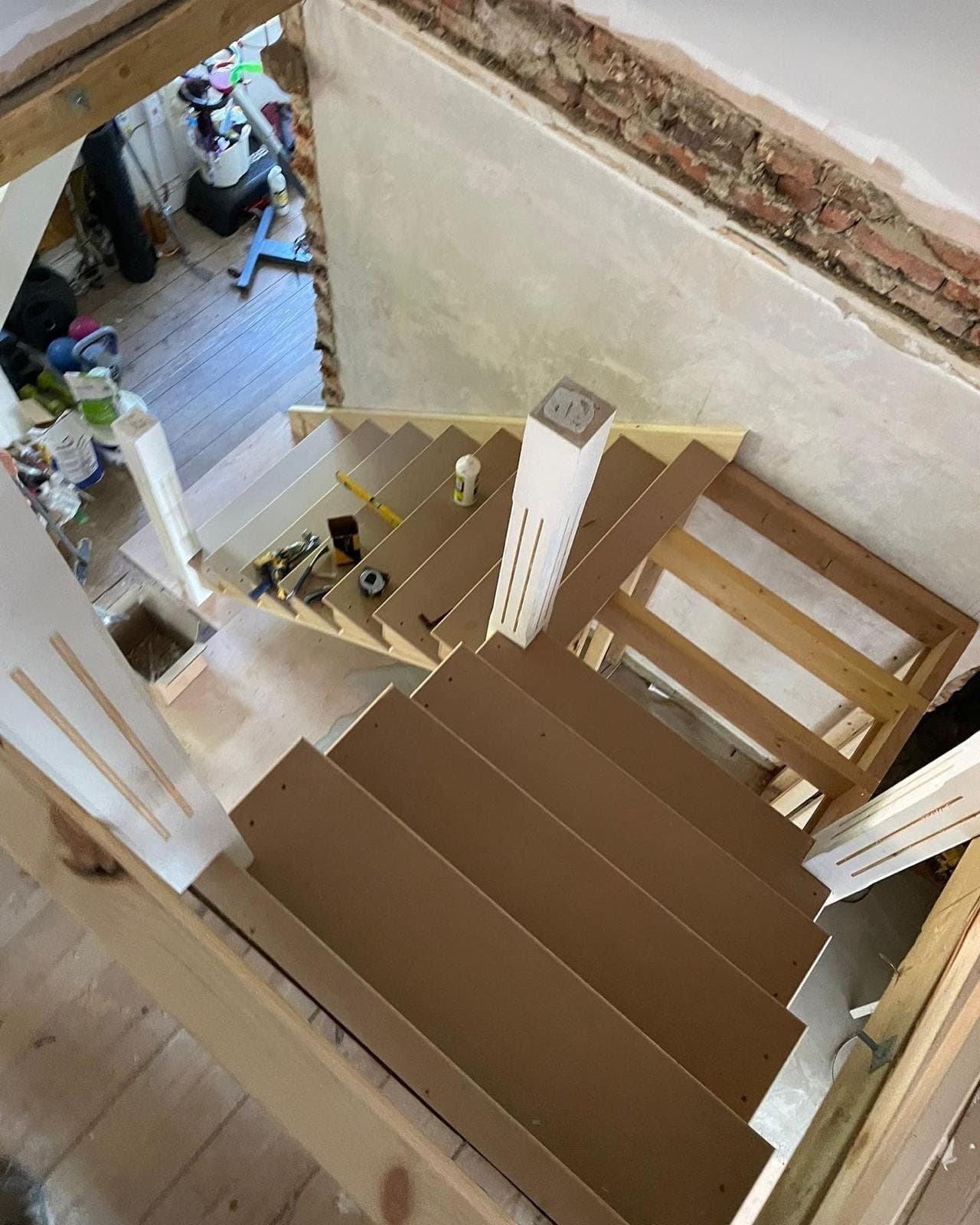
- Structural work and construction
- Plumbing and electrics
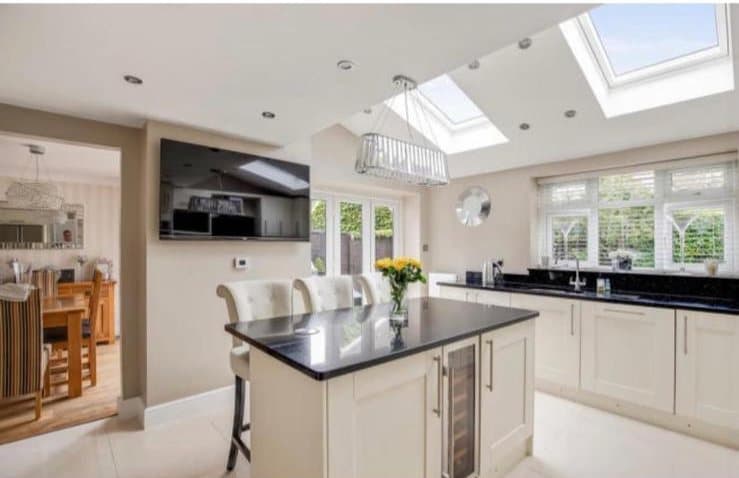
- Kitchens and bathrooms
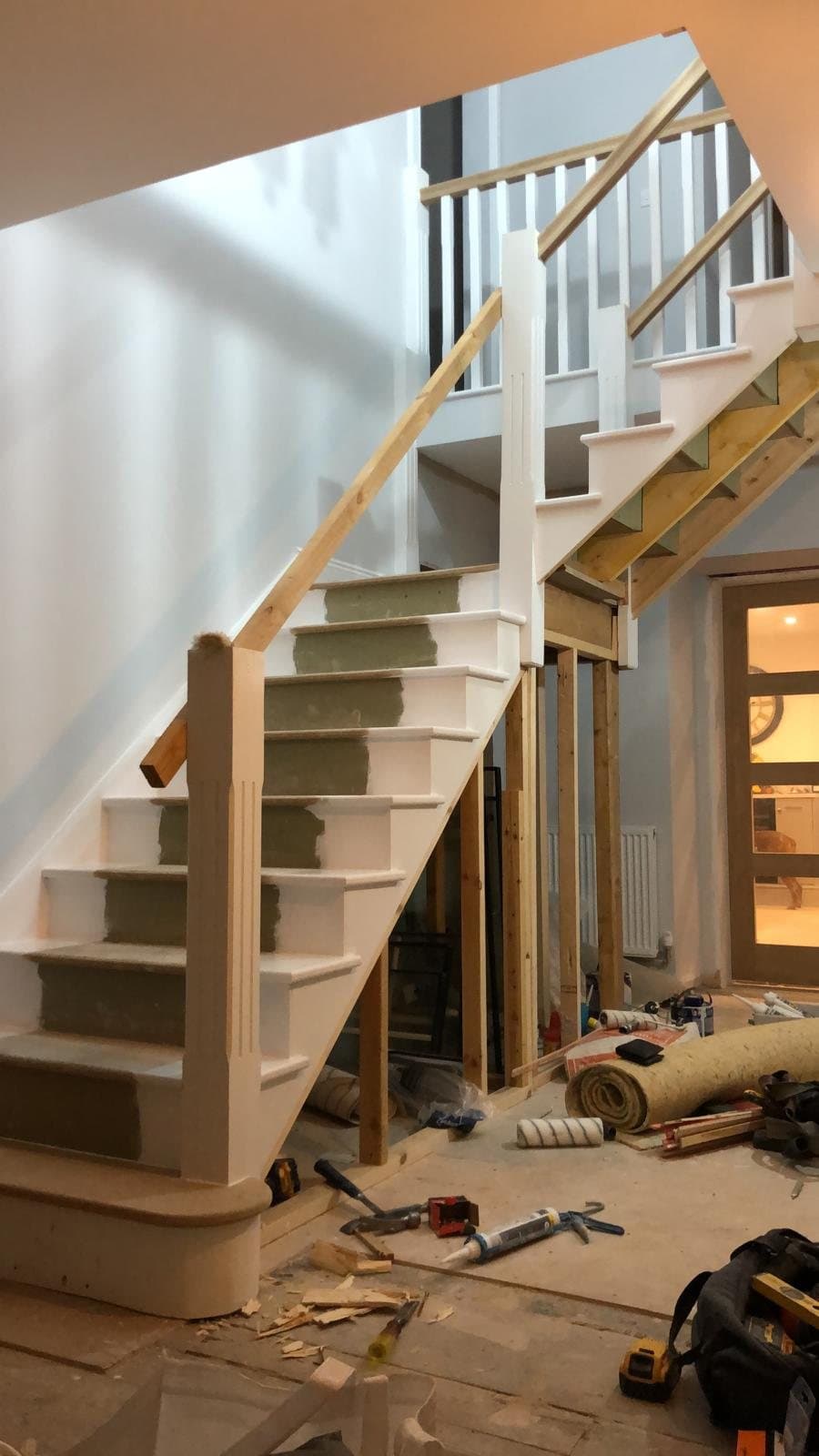
- Plastering, flooring, and decorating
- Final finishing and handover
The goal is for the homeowner to receive a fully completed space without needing to coordinate different trades themselves.
In practice, what we often see is that homeowners underestimate how much time is spent organising trades, deliveries, approvals, and sequencing. A turnkey approach removes most of that pressure.
Why homeowners choose turnkey projects
One of the biggest advantages of a turnkey building project is simplicity. Instead of managing multiple contractors, the homeowner deals with one company throughout the process.
From working with clients, we’ve found this is especially valuable on larger renovations where several trades need to work in a specific order. For example, structural work must be completed before plastering, and kitchens cannot be fitted until flooring, electrics, and plumbing are prepared properly.
When a single team oversees the process, projects tend to move more smoothly and with fewer delays.
Better coordination between trades
A major issue on non turnkey projects is communication between trades. Electricians, plumbers, carpenters, and plasterers all rely on each other completing stages correctly and on time.
In our experience, turnkey projects work better than separately managed projects because the sequencing is controlled from the start. We’ve found this reduces downtime between stages and helps avoid costly rework.
For example, on several recent projects in Kent, coordinating kitchen fitting, flooring, and plastering under one schedule reduced overall project time by nearly two weeks compared to separately managed jobs we were later asked to fix.
That type of efficiency comes from direct project oversight rather than individual trades working independently.
Turnkey extensions and conversions
Turnkey management is particularly useful on projects involving extensions and conversions. These builds involve structural work, approvals, roofing, internal finishes, and multiple inspections.
What actually tends to slow these projects down is not the construction itself, but gaps between trades or delays caused by missing materials and unclear responsibilities.
A turnkey approach keeps the project moving by coordinating each stage before the previous one is completed.
Planning permission and building regulations
Most turnkey building projects involve approvals and compliance checks. Depending on the project, planning permission may be required.
Checking requirements through the Planning Portal helps confirm whether approval is needed before work starts.
All structural work must also comply with Building Regulations. Inspections may be carried out by Local Authority Building Control during the project to ensure the work meets current standards.
From working on projects across Kent, we’ve found that handling these processes early prevents many of the delays homeowners commonly experience.
Kitchens and bathrooms within turnkey projects
Kitchens and bathrooms are often the most complex parts of a renovation because they involve several trades working together in a small space.
Professional kitchen fitting requires accurate preparation before installation begins. The same applies to bathrooms, where plumbing, tiling, electrics, and ventilation all need to align correctly.
In our experience, turnkey projects work better than phased renovations because these rooms rely heavily on timing and coordination. Delays at one stage affect everything that follows.
Cost control and budgeting
A turnkey building project can also help with budgeting. Because one company oversees the process, it is easier to understand what is included and where costs are allocated.
A common issue on separately managed projects is unexpected additional work between stages. For example, one contractor may assume another trade will complete preparation work, only for extra charges to appear later.
We’ve found that clear project management significantly reduces this type of issue.
Health and safety management
Managing safety across multiple trades is another key part of a turnkey project. Construction work involves lifting materials, structural alterations, and the use of specialist tools.
Professional builders follow guidance from the Health and Safety Executive to manage site risks. Manual handling is particularly important during larger projects, which is why HSE Manual Handling Guidance is followed when moving heavy materials and fittings.
Safe working practices help projects progress efficiently and reduce disruption.
What homeowners often overlook
From real project experience, one of the biggest misconceptions is that hiring separate trades always saves money.
In our experience, turnkey projects work better than self managed builds because homeowners often underestimate:
- How long scheduling takes
- How frequently delays occur between trades
- How much rework costs when stages are poorly coordinated
- How difficult it is to manage suppliers and approvals simultaneously
We’ve been brought into several projects where homeowners initially managed trades themselves but later switched to a full turnkey approach after timelines slipped significantly.
That practical experience is difficult to replicate without actually delivering these projects regularly.
Viewing completed turnkey projects
Seeing completed work helps homeowners understand how a fully managed project comes together. You can view our work to see examples of projects completed across Kent.
These examples show how coordinated planning leads to smoother builds and more consistent finishes.
Reviews and reassurance
Many homeowners choose turnkey projects because they want less stress throughout the build. Luckily, we have had some of our previous customers leave amazing reviews on AGC Carpentry & Building Services, and we have also added a widget on the website which displays them.
A recurring theme in this feedback is clear communication and having one team manage the entire process from beginning to end.
Aftercare and ongoing support
A turnkey project should not end the moment the work is complete. Small adjustments may still be needed as materials settle and the space begins to be used daily.
Our aftercare service provides continued support after completion, helping ensure the finished work continues to perform properly long term.
Conclusion
A turnkey building project gives homeowners a fully managed approach to construction, renovation, or extension work. Instead of coordinating multiple contractors yourself, one team handles the process from planning through to completion.
From working with clients across Kent, we’ve found this approach delivers better communication, smoother timelines, and fewer delays. If you are planning a building project and want a clearer, more organised process from the start, you can contact us to discuss your plans. At AGC Carpentry & Building Services, the focus is on practical planning, careful coordination, and delivering projects that are ready to use from day one.