
So, What Is Included in Building Regulations?
Understanding Building Regulations is essential when planning building or renovation work in the UK. These regulations exist to make sure construction work is safe, energy efficient, and suitable for long term use. Unlike planning permission, which focuses on how a building looks and how it fits into its surroundings, building regulations focus on how a building is constructed and how it performs.
Working on projects across Kent, I often find that homeowners are unclear about what building regulations actually cover and when they apply. We explain what is included in building regulations, why they matter, and how they affect common building projects.
What are building regulations
Building regulations are a set of legal requirements that apply to most types of construction work. They ensure that buildings are safe to live in, structurally sound, and meet minimum standards for health, safety, and energy efficiency.
Building regulations apply to new builds, extensions, conversions, and many types of renovation work. Even relatively small projects can fall under these rules if they affect structure, fire safety, drainage, or insulation.
Compliance is usually checked during the build rather than at the planning stage.
How building regulations differ from planning permission
It is common to confuse building regulations with planning permission, but they serve different purposes. Planning permission focuses on external appearance, size, and impact on neighbours. Building regulations focus on how the work is built.
Some projects do not need planning permission but still require building regulations approval. Checking requirements early through the Planning Portal helps clarify whether planning permission applies, but it is important to remember that building regulations may still be required even if planning is not.
Understanding this difference helps avoid delays and enforcement issues later.
Structural safety
One of the main areas covered by building regulations is structural safety. This ensures that buildings can safely support loads and remain stable over time.
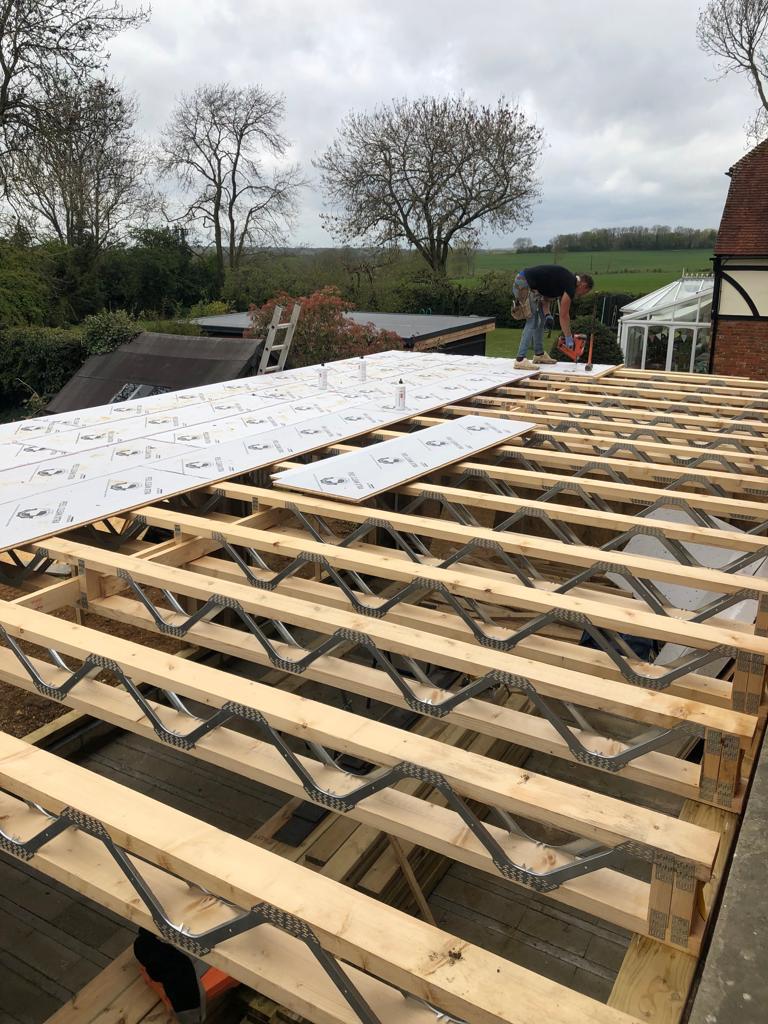
Structural elements such as foundations, walls, floors, beams, and roofs must be designed and built correctly. When walls are removed or openings are created, additional support may be needed to maintain strength and stability.
Structural work is a key part of many renovation projects and is usually inspected during construction.
Fire safety
Fire safety is another major area included in building regulations. These rules aim to reduce the risk of fire starting and spreading and to provide safe escape routes if a fire does occur.
Fire safety requirements can include fire resistant doors, protected escape routes, smoke alarms, and appropriate separation between rooms and floors. These rules are particularly important in loft conversions, extensions, and larger renovation projects.
Meeting fire safety standards protects both occupants and the property itself.
Drainage and plumbing
Building regulations also cover drainage and plumbing systems. This ensures that water supply, waste removal, and ventilation systems are safe, efficient, and hygienic.
Poor drainage or incorrect plumbing can cause long term problems such as leaks, damp, and structural damage. Regulations help prevent these issues by setting clear standards for installation and testing.
Drainage and plumbing work is commonly checked as part of inspections during a build.
Electrical safety
Electrical work carried out in homes must meet specific safety standards. Building regulations require that electrical installations are safe and suitable for the intended use of the building.
This includes wiring, sockets, lighting, and consumer units. In many cases, electrical work must be carried out by a qualified professional and certified as compliant.
Electrical safety is particularly important during full renovations where systems are upgraded or replaced.
Ventilation and moisture control
Proper ventilation is essential for maintaining healthy living conditions. Building regulations include requirements for ventilation in kitchens, bathrooms, and living spaces.
These rules help control moisture, reduce condensation, and improve air quality. Ventilation requirements are especially important during bathroom and kitchen renovations, where moisture levels are higher.
Meeting these standards helps protect the building fabric and the health of occupants.
Energy efficiency and insulation
Energy efficiency is a significant part of modern building regulations. These rules aim to reduce heat loss, improve insulation, and lower energy consumption.
Requirements cover insulation in walls, floors, and roofs, as well as the performance of windows and doors. When properties are renovated, upgrades to insulation may be required to meet current standards.
Improving energy efficiency not only meets regulations but also helps reduce long term running costs.
Access and usability
Building regulations also consider access and usability, particularly in new builds and larger projects. This can include requirements for stair design, door widths, and access to facilities.
These rules help ensure buildings are safe and practical for everyday use. While not all projects trigger access requirements, it is an important consideration in larger renovations.
Inspections and approval
Compliance with building regulations is checked through inspections during construction. These inspections are usually carried out by Local Authority Building Control or an approved inspector.
Inspections typically take place at key stages, such as foundations, structural work, and completion. This process ensures that work meets the required standards before it is signed off.
Building regulations approval is an important part of completing a project properly and legally.
Health and safety considerations
Health and safety during construction is closely linked to building regulations. Safe working practices help protect both workers and homeowners during the build.
Professional builders follow guidance from the Health and Safety Executive to manage risks on site. Manual handling is particularly relevant during building work, which is why HSE Manual Handling Guidance is followed when lifting and moving materials.
Good health and safety practices support compliance and reduce the risk of accidents.
Building regulations and renovations
Many homeowners are surprised to learn that building regulations apply to renovation work, not just new builds. Projects involving structural changes, layout alterations, or system upgrades often require approval.
Through experience delivering full renovations, it is clear that early consideration of building regulations helps avoid delays and unexpected costs. Planning compliance from the start allows renovation work to progress smoothly.
Ignoring building regulations can result in enforcement action and difficulties when selling a property later.
Reviews and reassurance
Choosing experienced professionals helps ensure building regulations are handled correctly. Luckily, we have had some of our previous customers leave amazing reviews on AGC Carpentry & Building Services, and we have also added a widget on the website which displays them.
These reviews often highlight clear guidance and proper compliance as key strengths.
Aftercare and ongoing support
Building regulations compliance does not end at completion. Documentation and certification should be retained for future reference.
Our aftercare service provides ongoing support after completion, helping homeowners with any follow up questions or documentation related to building work.
Conclusion
So, what is included in Building Regulations? In short, they cover structural safety, fire protection, drainage, electrics, ventilation, energy efficiency, and usability. These rules exist to ensure homes are safe, comfortable, and built to a consistent standard.
If you are planning building work and need advice on building regulations, you can contact us to discuss your plans. At AGC Carpentry & Building Services, the focus is on compliant, well planned work that stands the test of time.