
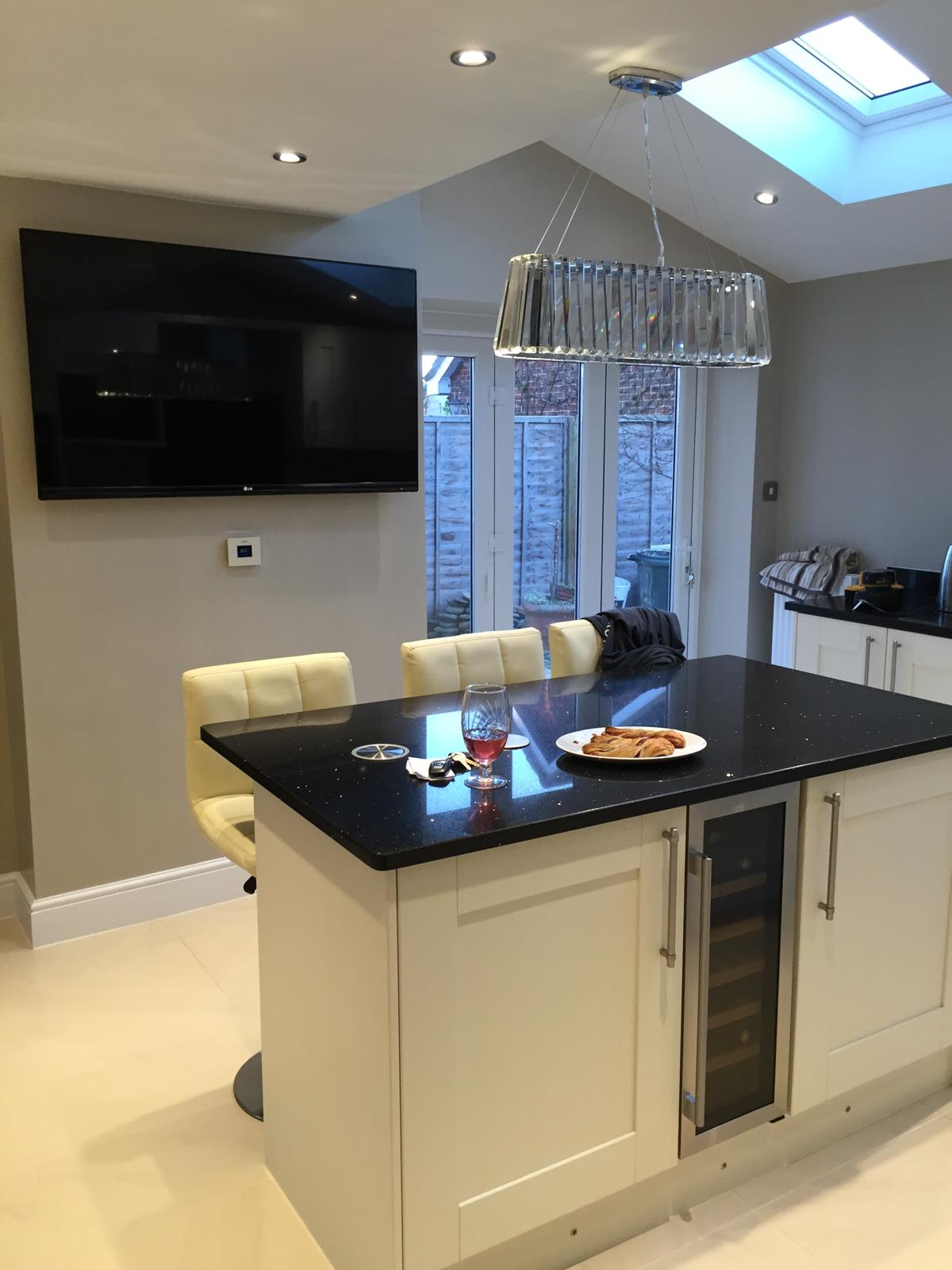
So, What Is the Average Cost of a New Kitchen?
Understanding the cost of a new kitchen is one of the first steps homeowners take when planning a kitchen upgrade. A new kitchen can improve how a home functions, increase storage, and add long term value, but costs vary widely depending on choices made at each stage. Knowing what affects pricing helps you set a realistic budget and avoid surprises.
Working on kitchen projects across Kent, I often find that uncertainty around cost comes from not knowing what is included and where budgets tend to increase. We explain the average cost of a new kitchen in the UK, what influences the final figure, and how to plan sensibly.
What is the average cost of a new kitchen
On average, the cost of a new kitchen in the UK typically ranges from around £8,000 to £20,000. Smaller kitchens with standard units and limited layout changes sit at the lower end of this range. Larger kitchens, higher quality materials, and bespoke features increase costs.
This average usually includes units, worktops, basic appliances, and installation. However, it may not include structural changes, electrical upgrades, or plumbing alterations, which can add significantly to the total.
Understanding what is included in a quote is essential when comparing prices.
What affects the cost of a new kitchen
Several factors influence the final cost of a new kitchen. The size of the space is important, but layout changes often have a greater impact than size alone.
Moving sinks, ovens, or appliances increases costs because plumbing and electrics need to be altered. Kitchens that form part of wider renovations may share costs with other work, which can sometimes reduce the overall budget.
The level of preparation before installation also affects cost, particularly if walls or floors need repair.
Kitchen units and storage
Kitchen units are one of the biggest contributors to cost. Flat pack units are usually the most affordable, while rigid and bespoke units increase the price.
Storage features such as pull out larders, corner solutions, and internal drawers improve usability but add to the overall cost. Choosing storage carefully helps balance budget and practicality.
Well planned storage often delivers better long term value than focusing purely on appearance.
Worktops and finishes
Worktops vary significantly in price depending on material. Laminate worktops are the most budget friendly option, while quartz, granite, and solid wood sit at the higher end.
Splashbacks, flooring, and wall finishes also affect cost. These finishes play a big role in how the kitchen looks but can quickly increase the budget if not planned carefully.
Balancing durable materials with cost helps achieve a kitchen that performs well over time.
Appliances and fittings
Appliances make up a sizeable part of the cost of a new kitchen. Integrated appliances usually cost more than freestanding options, and premium brands increase budgets further.
Fittings such as taps, sinks, and lighting also add up. While individual items may seem minor, together they can have a noticeable impact on overall cost.
Choosing appliances early helps ensure accurate pricing and avoids changes later.
Installation and labour costs
Installation is a major part of the overall kitchen cost. Labour includes removing the old kitchen, preparing the space, fitting units, worktops, appliances, and making good finishes.
Professional kitchen fitting ensures units are level, services are positioned correctly, and the kitchen functions as intended. Poor installation can lead to long term issues, so this is not an area to cut corners.
Installation costs increase if structural changes or significant preparation work is required.
Structural changes and layout alterations
Some new kitchens involve removing walls or opening up spaces to improve flow. Structural changes add to the cost but can transform how the kitchen works.
Structural work must comply with Building Regulations and may require inspections by Local Authority Building Control. Factoring this into the budget early helps avoid delays and additional costs.
Even small layout changes can affect timelines and pricing.
Planning permission and approvals
Most kitchen replacements do not require planning permission. However, if the kitchen forms part of an extension or major alteration, planning permission may be needed.
Checking requirements early through the Planning Portal helps clarify what approvals apply. While planning permission does not usually affect kitchen cost directly, delays in approvals can affect project timelines.
Being clear on this early supports smoother project planning.
Health and safety considerations
Health and safety requirements also influence kitchen installation costs. Safe working practices protect workers and homeowners during the build.
Professional builders follow guidance from the Health and Safety Executive to manage site risks. Manual handling is particularly relevant when installing heavy worktops and appliances, which is why HSE Manual Handling Guidance is followed.
These measures support safe and efficient installation.
Allowing for contingency
It is sensible to allow a contingency when budgeting for a new kitchen. Unexpected issues such as uneven floors, damaged walls, or outdated wiring can increase costs once work begins.
A contingency helps manage these issues without compromising on quality or finishes.
Including this buffer helps keep the project on track financially.
Reducing the cost of a new kitchen
Costs can often be managed through careful planning. Keeping the existing layout, choosing standard unit sizes, and selecting practical materials all help control spending.
Combining a kitchen upgrade with other work, such as wider renovations, can also be more cost effective than carrying out separate projects.
Clear communication with your installer helps identify where savings are realistic.
Seeing real kitchen projects
Looking at completed kitchens helps set realistic expectations around cost and finish. Seeing real examples provides context for your own plans.
You can view our work to see examples of kitchen projects completed across Kent.
These examples show how different choices affect outcomes and budgets.
Reviews and reassurance
Many homeowners feel more confident once they read feedback from others who have completed similar projects. Luckily, we have had some of our previous customers leave amazing reviews on AGC Carpentry & Building Services, and we have also added a widget on the website which displays them.
These reviews often mention clear pricing and honest advice.
Aftercare and long term value
A new kitchen is a long term investment, so aftercare matters. Small adjustments may be needed once the kitchen is in regular use.
Our aftercare service provides continued support after installation, helping protect the quality of the work.
Conclusion
So, what is the average cost of a new kitchen? While most projects fall between £8,000 and £20,000, the final cost depends on size, layout, materials, and how much preparation is required.
With clear planning and realistic budgeting, a new kitchen can deliver excellent long term value. If you are considering a kitchen upgrade and want advice on costs and options, you can contact us to discuss your plans. At AGC Carpentry & Building Services, the focus is on practical guidance, careful planning, and kitchens designed to work for everyday living.