So, What Is the Cheapest Way to Extend a House?
If you are planning to add space on a budget, the first question is usually what is the cheapest way to extend a house. The honest answer is that there is no single cheapest option for every home. However, there are clear ways to reduce costs without cutting corners or creating problems later.
From working on extension projects across Kent, what actually tends to make the biggest difference is not the size of the extension, but how simple the design is and how early decisions are made. Many homeowners assume smaller always means cheaper, but in practice, poor planning or unnecessary changes often add more cost than size itself.
We explain the most cost effective ways to extend a house, where money is typically spent, and how to keep your project within budget.
Keep the design simple
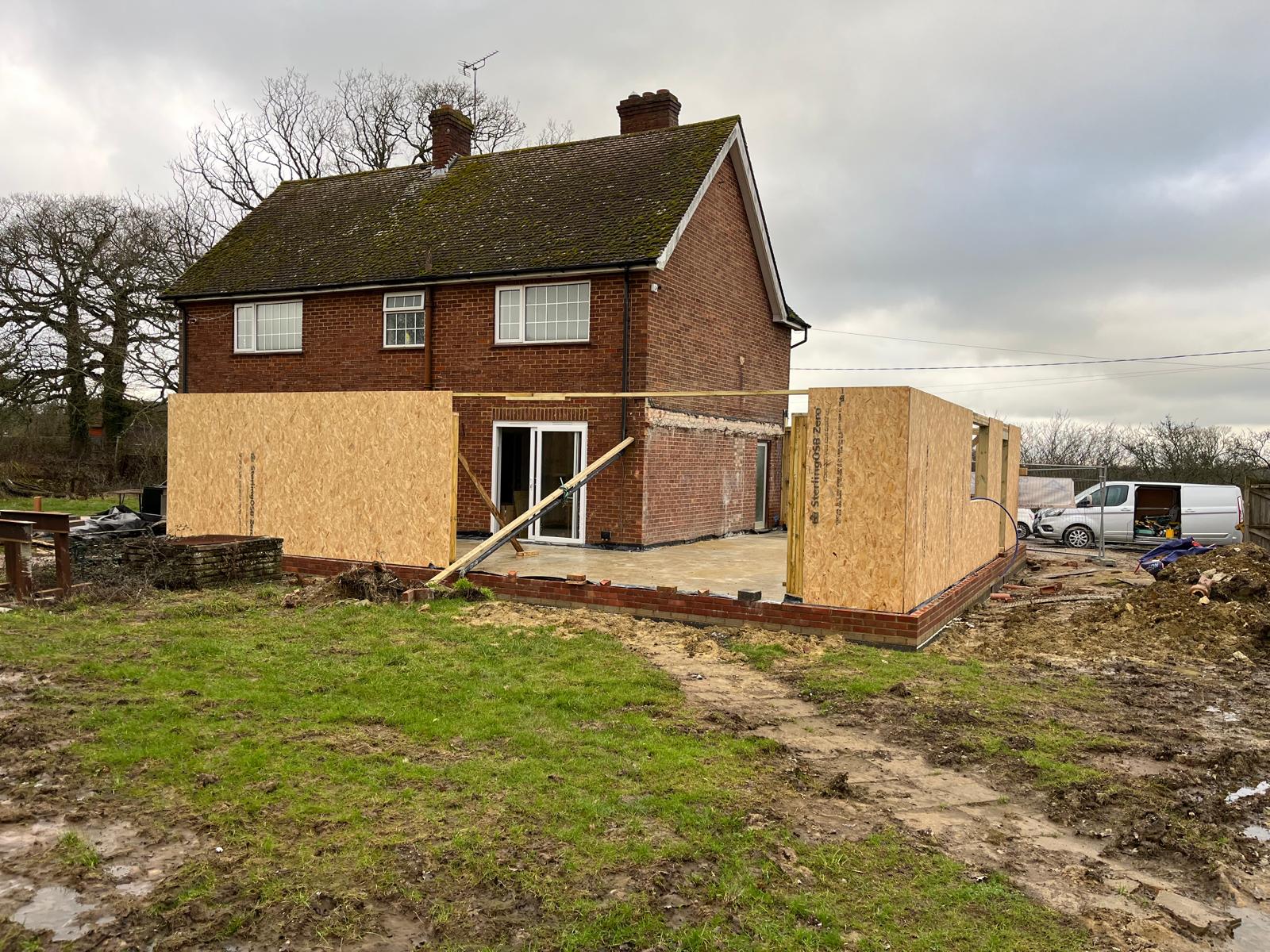
The cheapest way to extend a house is usually to keep the design as simple as possible. Straightforward shapes, flat walls, and standard roof structures are far more cost effective than complex designs.
In practice, what we often see is homeowners adding corners, angles, or unusual layouts thinking it improves the space. In reality, this increases labour, materials, and time on site.
A simple rectangular extension with a standard roof is almost always the most cost effective approach.
Build under permitted development where possible
Avoiding planning delays and costs can also help reduce overall expense. Many smaller extensions fall under permitted development, meaning planning permission is not required.
Checking early through the Planning Portal helps confirm what is allowed. Even when planning permission is not needed, all work must still comply with Building Regulations.
Inspections may be carried out by Local Authority Building Control, so factoring this into your plan avoids delays later.
Choose a single storey extension
Single storey extensions are generally cheaper than double storey builds. Although double storey extensions can offer better value per square metre, they require more structural work and longer build times.
If your goal is to extend your kitchen or living space, a single storey rear extension is often the most cost effective option.
Through experience with extensions and conversions, this type of extension is the most common choice for homeowners looking to balance cost and usability.
Keep plumbing and electrics in place
One of the easiest ways to reduce costs is to keep plumbing and electrical points in roughly the same location. Moving sinks, boilers, or consumer units can add significant expense.
A common mistake is redesigning the layout without considering where services currently run. What actually tends to happen is costs increase quickly once pipes and wiring need to be relocated.
Designing around existing services can make a noticeable difference to the overall budget.
Use standard materials and sizes
Custom materials and bespoke elements increase costs. Standard sized windows, doors, and units are much more affordable and easier to install.
For example, using off the shelf doors and windows avoids the additional cost and lead time of made to measure options. The same applies to internal finishes and fittings.
Keeping materials simple and widely available helps control costs without affecting quality.
Combine your extension with renovation work
If you are already planning improvements, combining your extension with wider renovations can be more cost effective than doing separate projects.
For example, if you are extending a kitchen, it often makes sense to upgrade the rest of the ground floor at the same time. This reduces repeated labour and avoids reopening finished areas later.
From experience, projects planned as one complete job usually run more efficiently and cost less overall.
Consider a basic finish initially
If budget is tight, one option is to complete the structural work first and keep finishes simple. You can then upgrade flooring, lighting, or decoration later.
This approach allows you to complete the extension and make it usable without stretching the budget too far at once.
However, key elements such as insulation, structure, and waterproofing should never be compromised.
Kitchen extensions and cost control
Kitchen extensions are one of the most common types of home extension. They can also become expensive if not planned carefully.
Professional kitchen fitting plays a big role in controlling costs. Keeping the layout simple and avoiding unnecessary changes during installation helps keep the project on track.
In practice, what often increases cost is last minute changes once installation has started. Finalising decisions early avoids this.
Avoid changes once work has started
One of the biggest cost drivers in any extension is changing plans during the build. Even small changes can affect materials, labour, and timelines.
A common situation is homeowners deciding to move walls, add features, or upgrade finishes halfway through the project. This almost always increases costs.
Clear planning and decisions made upfront are key to keeping the project within budget.
Health and safety considerations
Cost savings should never come at the expense of safety. Extension work involves structural changes, lifting materials, and working at height.
Professional builders follow guidance from the Health and Safety Executive to manage risks on site. Manual handling is particularly relevant during construction, which is why HSE Manual Handling Guidance is followed.
Safe working practices help prevent accidents and avoid costly delays.
What actually keeps costs low
From real project experience, the cheapest way to extend a house usually comes down to a few key factors:
- Simple design with minimal complexity
- Clear planning before work begins
- Keeping services in place where possible
- Using standard materials and sizes
- Avoiding changes during construction
It is rarely about cutting quality. Instead, it is about making practical decisions early.
Viewing cost effective extension projects
Seeing real examples helps put costs into perspective. You can view our work to see how different extension designs have been delivered across Kent.
These examples show how simple, well planned projects often achieve the best results.
Reviews and reassurance
Many homeowners feel more confident once they hear from others who have completed similar projects. Luckily, we have had some of our previous customers leave amazing reviews on AGC Carpentry & Building Services, and we have also added a widget on the website which displays them.
Clear planning and honest advice are often mentioned in this feedback.
Aftercare and long term value
Even when working to a budget, aftercare is important. Small adjustments may be needed once the extension is in use.
Our aftercare service provides continued support after completion, helping ensure the work remains in good condition.
Conclusion
So, what is the cheapest way to extend a house? In practice, it comes down to keeping the design simple, planning thoroughly, and avoiding unnecessary changes. Cutting corners on structure or quality will usually cost more in the long run.
A well planned, straightforward extension can deliver excellent value without pushing the budget too far. If you are considering an extension and want practical advice on keeping costs under control, you can contact us to discuss your plans. At AGC Carpentry & Building Services, the focus is on realistic planning, efficient builds, and extensions that work properly for everyday living.