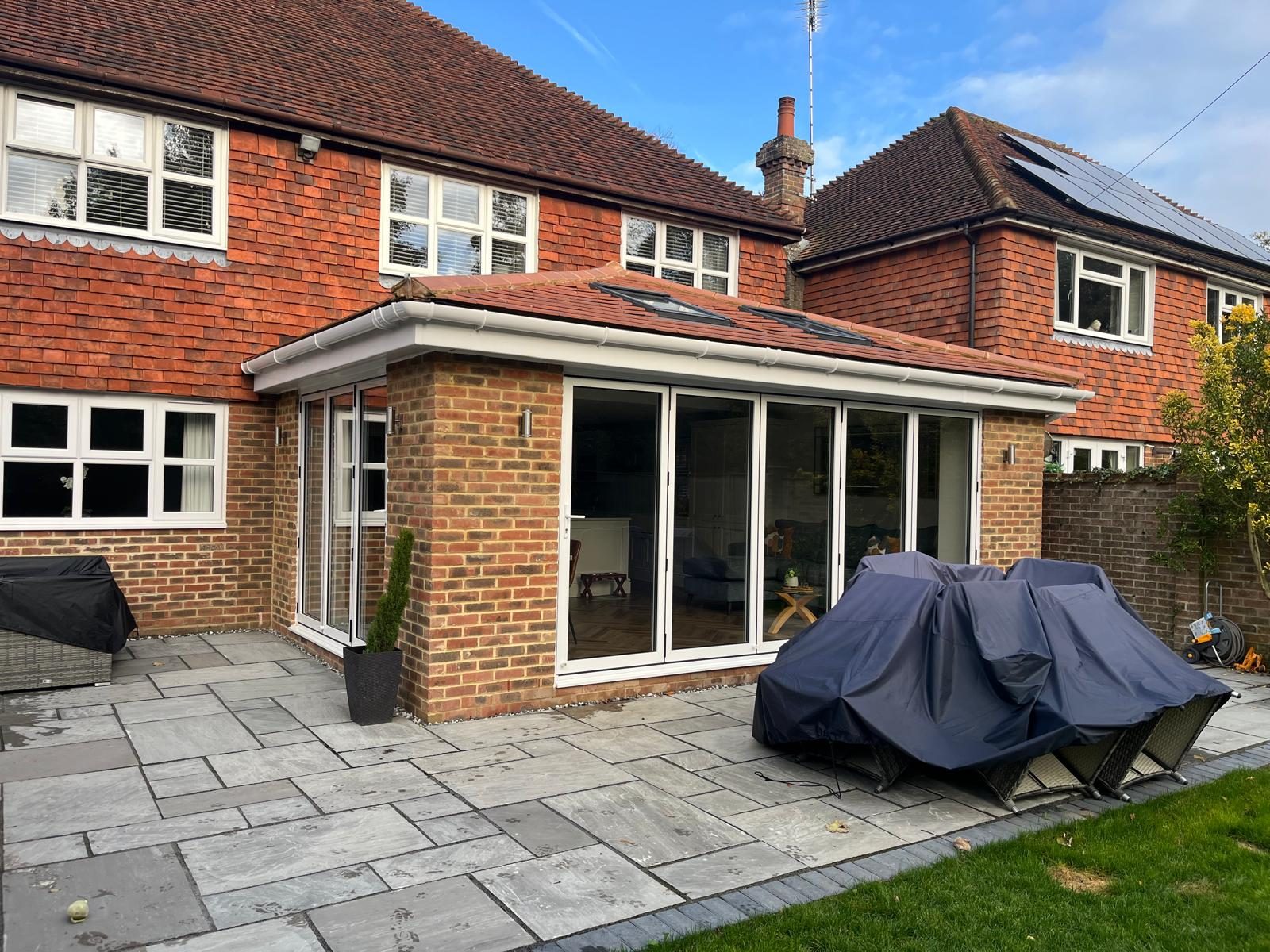
Many homeowners ask how much value does an extension add to a house, especially when deciding whether to invest in improving their current property or move elsewhere. An extension can transform how a home works, but it is also a significant financial commitment. Understanding the potential return helps you make a more informed decision.
Working on extension projects across Kent, I have found that value is not just about resale price. It also includes improved usability, better layout, and making the home more suitable for long term living. We explain how much value an extension can add, what affects that value, and how to maximise your investment.
How much value does an extension add to a house
On average, a well planned extension can add between 10% and 20% to the value of a property. However, this varies depending on location, property type, and the quality of the work carried out.
Extensions that add practical space, such as an extra bedroom or a larger kitchen, tend to deliver the best return. In areas where space is limited, adding usable square footage can significantly increase property value.
The key is ensuring the extension improves how the home functions, rather than simply increasing size.
What types of extensions add the most value
Not all extensions add the same level of value. The type of extension you choose has a direct impact on both usability and resale appeal.
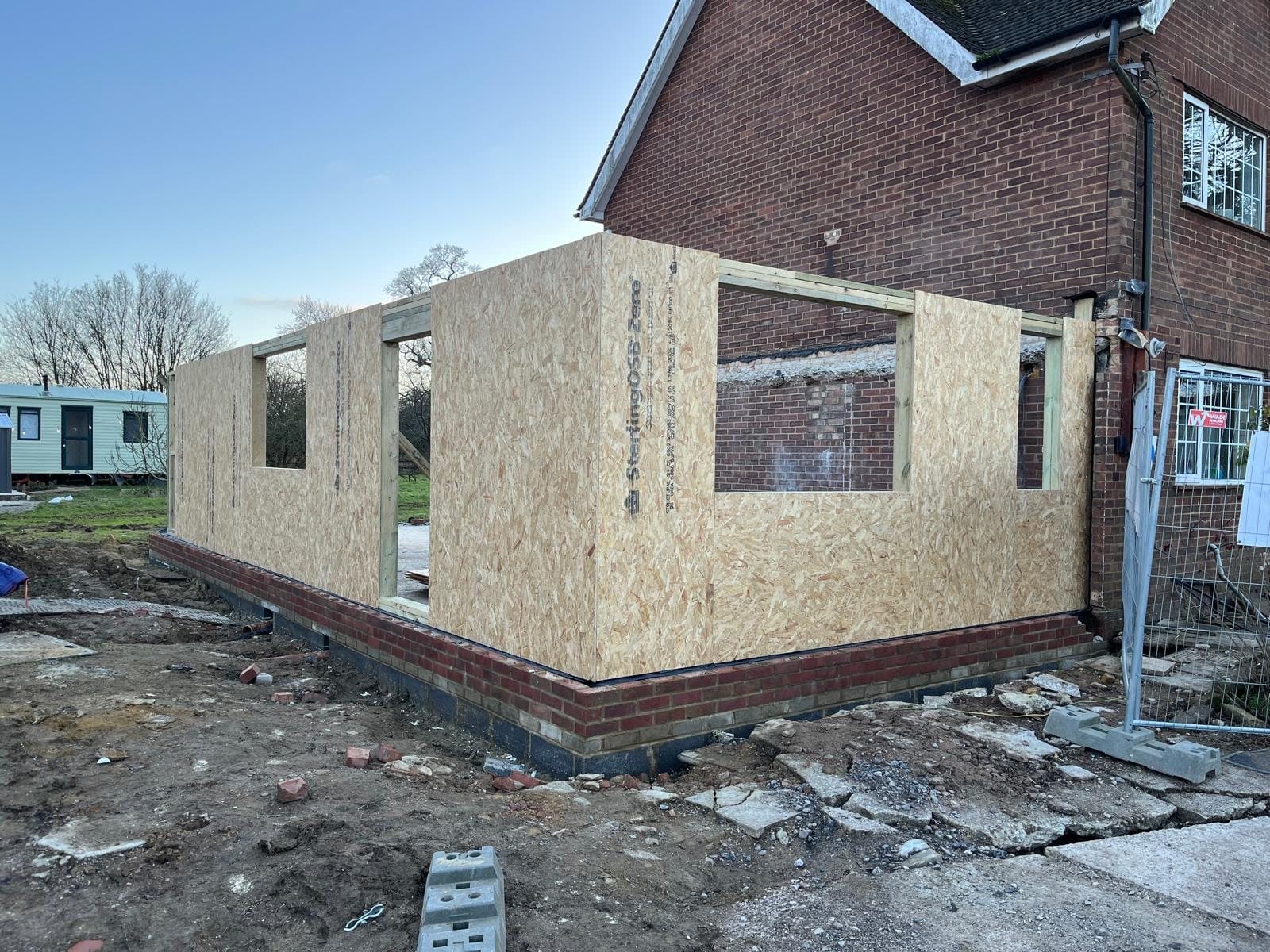
Rear extensions that create larger kitchen and living spaces are particularly popular. Side extensions can improve layout and storage, while double storey extensions often add bedrooms and bathrooms, increasing overall property value.
Through projects involving extensions and conversions, it is clear that extensions which improve day to day living tend to deliver the strongest returns.
Kitchen extensions and open plan living
One of the most valuable types of extension is a kitchen extension. Creating a larger, open plan kitchen and living space is highly desirable for modern living.
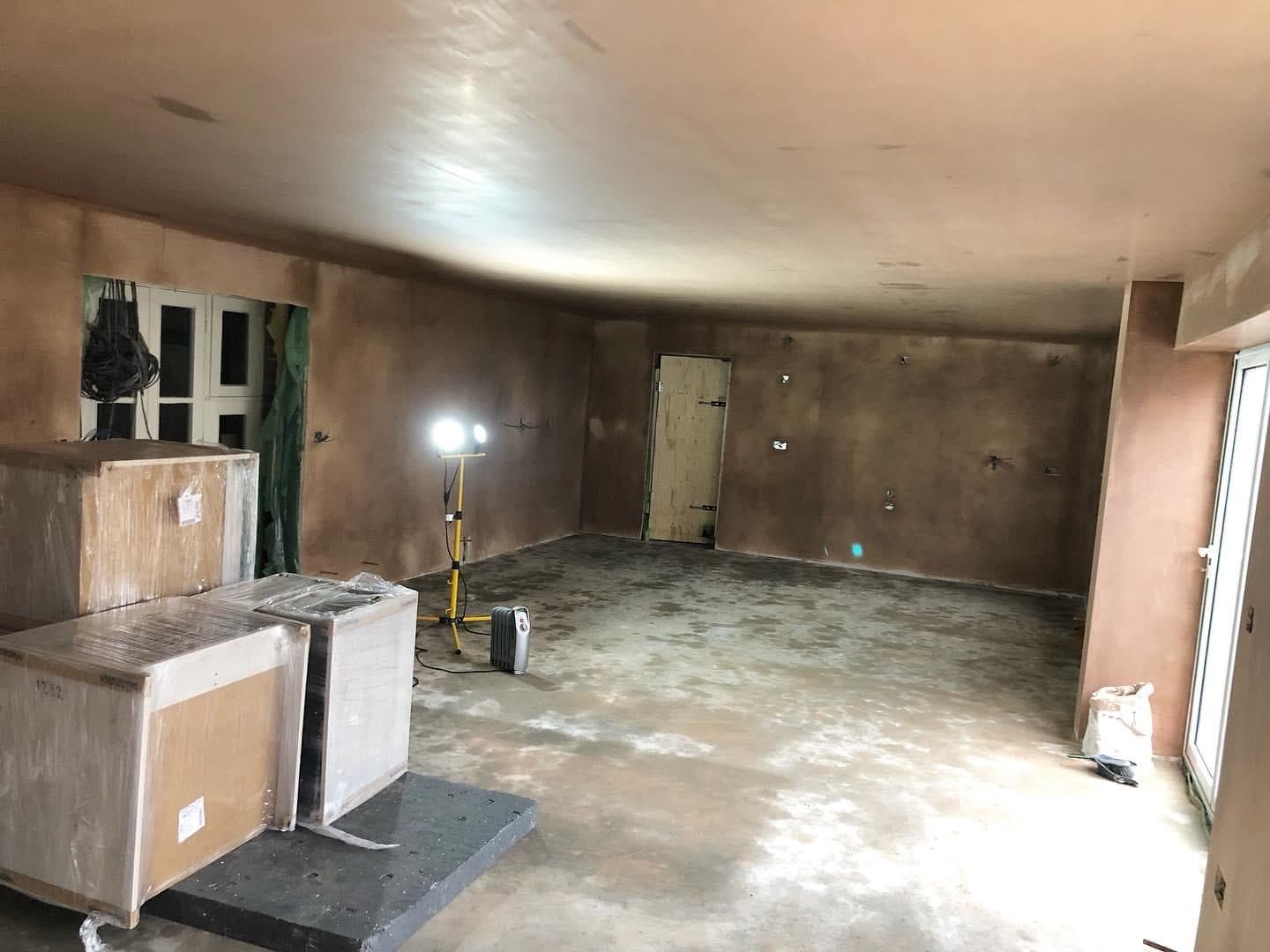
Combining rooms and improving flow can make a property feel significantly larger and more practical. Once the structure is complete, professional kitchen fitting ensures the space functions properly and adds to the overall value.
Open plan living spaces are often a key selling point for buyers.
Adding bedrooms and bathrooms
Extensions that add bedrooms and bathrooms can increase property value considerably. Homes with more bedrooms often attract higher prices, particularly in family areas.
Adding a bathroom alongside a new bedroom improves usability and appeal. Professional bathroom fitting ensures these spaces are built to last and meet modern standards.
Increasing the number of functional rooms often delivers strong returns.
Planning and building regulations
Before starting an extension, it is important to understand planning and legal requirements. Some extensions require planning permission, while others fall under permitted development.
Checking requirements through the Planning Portal helps clarify what approvals are needed. Regardless of planning permission, all extensions must comply with Building Regulations.
During construction, inspections may be carried out by Local Authority Building Control to ensure the work meets required standards. Proper compliance protects both safety and property value.
Cost versus value
When considering how much value an extension adds, it is important to compare the cost of the build with the potential increase in property value.
In some cases, the value added may match or exceed the cost of the extension. In others, the financial return may be smaller, but the improvement in living space still makes the investment worthwhile.
Extensions that are well designed, properly integrated, and finished to a high standard are more likely to deliver better returns.
Combining extensions with renovations
Extensions are often most effective when combined with wider renovations. Updating the existing property alongside the new space creates a consistent finish and improves overall appeal.
For example, extending a kitchen while also upgrading the rest of the ground floor can significantly increase both usability and value.
Coordinating these projects ensures the extension feels like a natural part of the home.
Factors that influence added value
Several factors affect how much value an extension adds to a house. These include the quality of the build, the design, and how well the extension integrates with the existing property.
Location also plays a role. In areas where property prices are higher, extensions often deliver greater financial returns. However, over extending beyond the value of similar properties in the area can limit the return.
Careful planning helps strike the right balance.
Health and safety during extension work
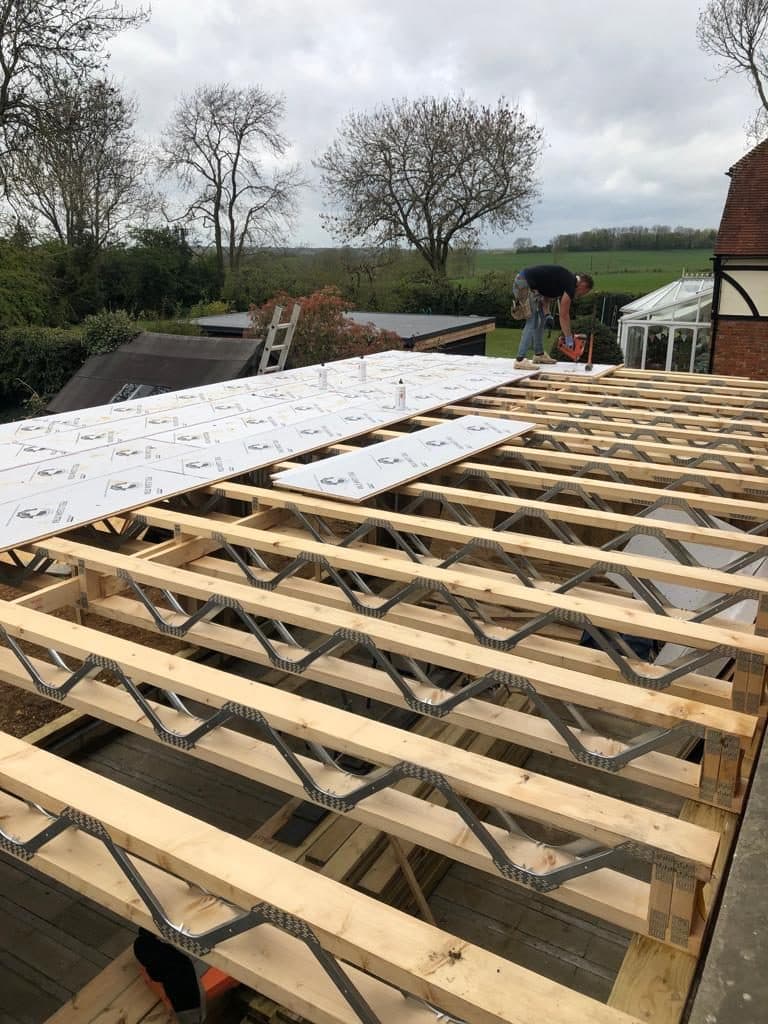
Extension projects involve structural work, excavation, and handling heavy materials. Safety is therefore a key part of the process.
Professional builders follow guidance from the Health and Safety Executive to manage site risks. Manual handling is particularly relevant during construction, which is why HSE Manual Handling Guidance is followed.
Safe working practices help ensure the project runs smoothly.
Viewing completed extension projects
Seeing completed projects helps homeowners understand what is achievable and how extensions improve properties. Viewing real examples provides context for your own plans.
You can view our work to see examples of extension projects completed across Kent.
These examples show how thoughtful design and construction add value.
Reviews and reassurance
Many homeowners feel more confident once they hear from others who have completed similar projects. Luckily, we have had some of our previous customers leave amazing reviews on AGC Carpentry & Building Services, and we have also added a widget on the website which displays them.
This feedback highlights clear communication and high quality workmanship.
Aftercare and long term value
An extension is a long term investment, so aftercare matters. Small adjustments may be needed as the structure settles and the space is used regularly.
Our aftercare service provides ongoing support after completion, helping protect the quality of the work.
Conclusion
So, how much value does an extension add to a house? While most extensions add between 10% and 20% to a property’s value, the real benefit comes from improved space, layout, and usability.
A well planned extension can transform how a home feels while also increasing its market appeal. If you are considering an extension and want practical advice on design and value, you can contact us to discuss your plans. At AGC Carpentry & Building Services, the focus is on thoughtful design, careful construction, and extensions that deliver lasting value.