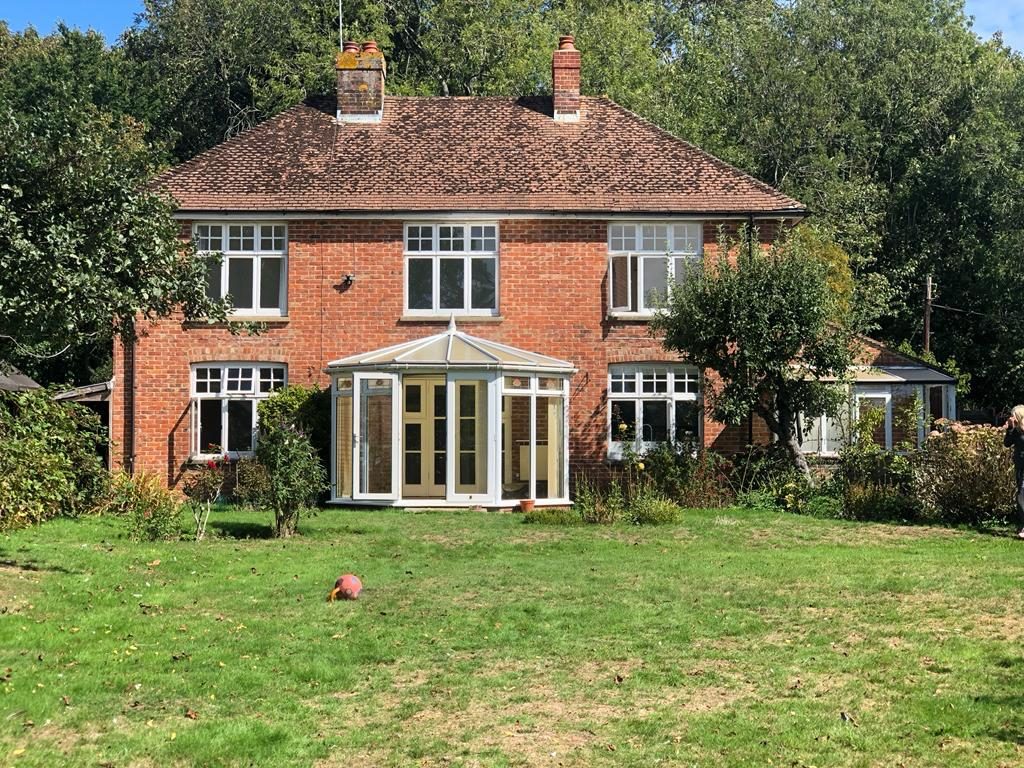
Building work in conservation areas is entirely possible, but more of it needs permission than it would elsewhere, and what gets approved depends on whether it keeps the character of the area intact. Side extensions, rear extensions of more than one storey, cladding and roof extensions such as dormers all need planning permission in a conservation area, even where they would be permitted development on an ordinary street. Demolishing a building of 115 cubic metres or more needs permission too, you have to give the council six weeks' notice before most work to trees, and the council may have removed further rights with an Article 4 direction.
None of that makes a conservation area a place where nothing can change. A well designed extension, a sympathetic repair or a careful renovation is approved in conservation areas all the time. The difference is that the design, the materials and the detailing matter more, and the planning position has to be settled before anything is priced or ordered. This guide explains how to find out whether your home is in a conservation area, which kinds of work need permission, what councils tend to look for, and where building regulations fit in.
What a conservation area is
A conservation area is an area the council has designated for its special architectural or historic interest. The legal definition, from the Planning (Listed Buildings and Conservation Areas) Act 1990, describes them as areas whose character or appearance it is desirable to preserve or enhance. It is the area as a whole that is protected, meaning the streets, the mix of buildings, the materials, the boundary walls and the trees, rather than any single house.
That is the main difference from a listed building. Listing protects an individual building, inside and out, while a conservation area controls how changes affect the look of the place. A house can be both, in which case listed building consent is needed on top of anything described here.
In this part of Kent conservation areas are common. Canterbury has a great deal of genuinely old property inside and around the city, Tenterden has a conservation area running through the middle of the town, and parts of the Dover district carry Article 4 directions on top of their conservation areas, mainly around Deal, Kingsdown and Sandwich, as our Dover page explains. Villages around Ashford, among them Smarden, Bethersden and Great Chart, have conservation areas of their own.
How to find out if your home is in one
Your council is the authority on this. Most publish their conservation area boundaries online, and Ashford Borough Council, for example, publishes a page for each one, including the Tenterden conservation area. The government also maps conservation areas across England on its Planning Data map, which is a quick first check, although the government describes that dataset as a work in progress that does not yet cover everywhere. Treat it as a starting point and confirm with the council.
If you bought the house recently, the local authority search in your conveyancing papers will also say whether it sits in a conservation area and whether any Article 4 directions apply.
The work that needs permission in a conservation area
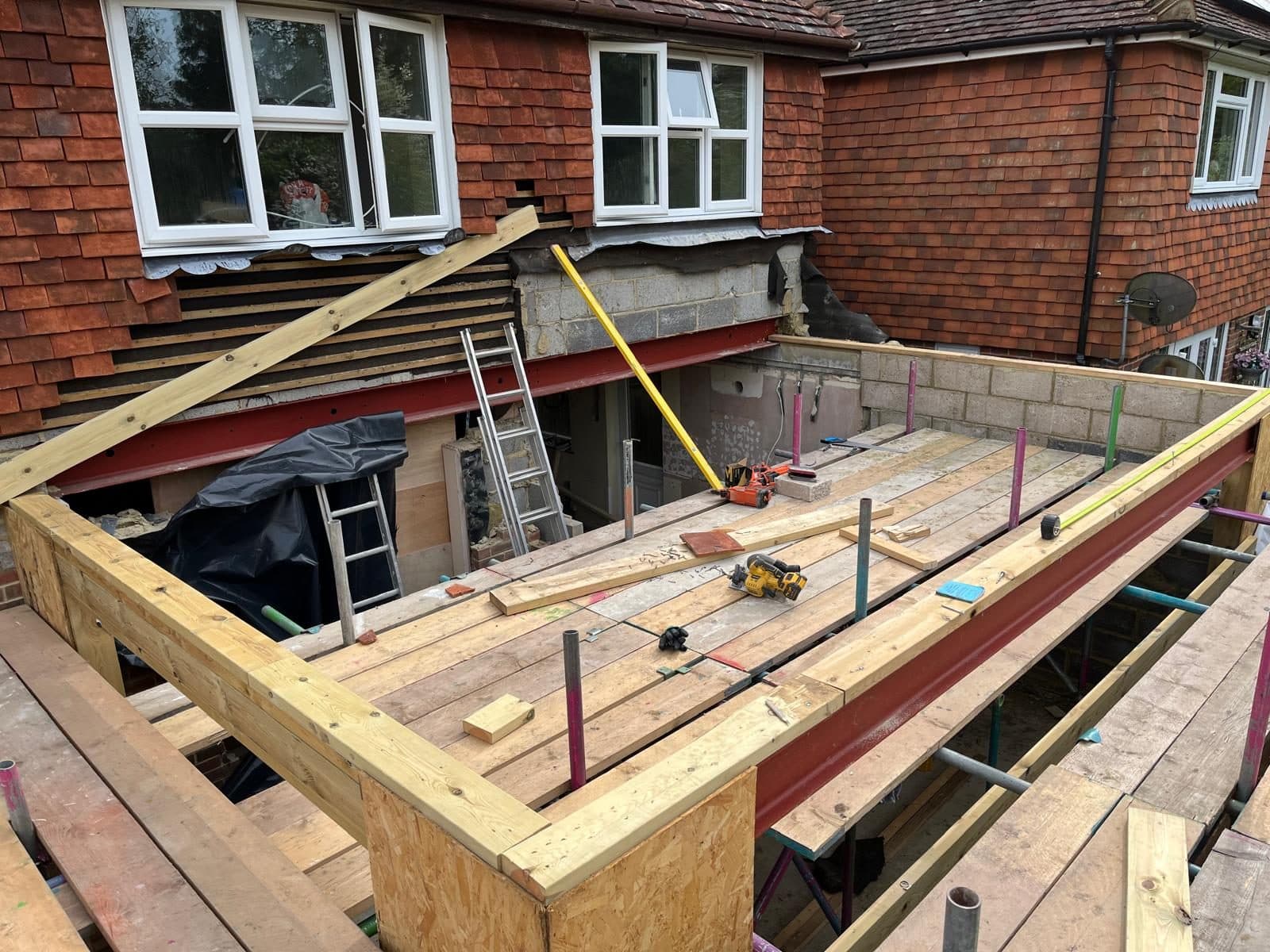
Conservation areas are what planning law calls Article 2(3) land, and permitted development rights are narrower there. The Planning Portal's guidance on extensions sets out the main differences. All side extensions need householder planning permission, all rear extensions of more than one storey need it too, and no extension can include cladding the outside of the house. A modest single storey rear extension can still fall under permitted development, within the usual limits.
Roof extensions are affected in the same way. The Planning Portal's guidance on loft conversions makes permitted development conditional on the house not being on Article 2(3) land, so a dormer in a conservation area needs an application. A loft conversion that leaves the outside of the roof unchanged is a different matter, because purely internal work is not development, although it still needs building regulations approval.
Demolition is the area where people are most often caught out. Demolishing a building with a volume of 115 cubic metres or more needs planning permission for relevant demolition, as does taking down a wall, gate or fence of a metre or more next to a road, footpath or open space, or two metres or more elsewhere. Demolishing an unlisted building in a conservation area without permission is a criminal offence.
Trees are protected too. Government guidance on trees in conservation areas requires you to notify the council using a section 211 notice six weeks before carrying out most work on a tree, even one with no preservation order. If an extension will mean taking out or cutting back a tree, that six weeks belongs in the programme.
Finally, a council can go further with an Article 4 direction. Government guidance on when permission is required explains that these withdraw specified permitted development rights across a defined area, and in a conservation area they can bring even small changes, such as replacing front windows or doors, under planning control. Whether one covers your street is something the council can tell you.
What councils look for
Planning officers in conservation areas are not looking for an extension that pretends to be original. They are looking for one that respects the scale, materials and rhythm of what is already there. In practice that means rear and side elevations are treated more gently than the front, roofs and brickwork are expected to match or sit comfortably beside the existing ones, and timber windows, clay tiles and traditional joinery are generally preferred to plastic and concrete. Good drawings that show the detailing, not just the outline, make a real difference.
Many councils also offer pre-application advice, which lets you test a design with a planning officer before paying for a full application. On a sensitive site it is usually money well spent, and it is far cheaper than the delay described in our guide to what happens if planning permission is rejected.
Building regulations still apply
Conservation area status does not change the need for building regulations approval. An extension, a structural alteration or a new staircase is assessed exactly as it would be anywhere else.
What does change is the approach to older fabric. Much of the housing in conservation areas has solid walls, lime mortar and timber that was built to breathe, and sealing it in with modern impermeable materials can trap moisture where it does the most damage. Trapped damp in old timber is how rot starts, which our guide to wet rot and dry rot explains in more detail.
Older houses in our own work
Alex has 30 years in carpentry, joinery and building, and two of the jobs our customers describe in their reviews are exactly the kind of work a conservation area cares about. One customer had Alex and Henry restore their wooden window frames, replacing a lot of rotten wood along the way. The other was a period farmhouse. As its owner wrote in a Google review, "The renovation of crumbling windows was sympathetic and skillful as was the replacement of the barge boards of 4 gables of our period farmhouse." We also made and fitted three doors for the same customer's old brick stables.
Original timber windows, doors and barge boards are part of the character a conservation area protects, so it is worth asking whether a careful repair will do before anything is replaced. Where an Article 4 direction covers the front of the house, replacing windows or doors can need planning permission, so check with the council first. Where a section is beyond saving, bespoke joinery matters. A new section made to match the old profile disappears, and a stock product from a catalogue rarely does. That kind of careful renovation work is where a conservation area is easiest to live with.
Whatever the job, settle the planning position before anything is priced, rather than finding out halfway through that the dormer or the side extension needed an application.
Conclusion
Building work in conservation areas needs more permissions than it would elsewhere. Side extensions, rear extensions of more than one storey, cladding and dormers need planning permission, demolition over 115 cubic metres needs consent, trees need six weeks' notice, and an Article 4 direction can widen the controls further. Check the designation with your council first, design with the character of the area in mind, and expect building regulations to apply in the usual way.
If you are planning work on a house in a conservation area, AGC Carpentry & Building Services is based in Ashford and works across Kent, including Maidstone, Folkestone, Hythe and Sevenoaks. Whether it is an extension, a renovation or a repair to original joinery, you can see the jobs we have photographed on our work page, and contact us to talk through what your property allows.