The most common home improvements in the UK are decorating and furnishing, followed by general renovation work and then repairs. The 2026 UK Houzz & Home Study, which surveyed 1,306 UK homeowners about their 2025 projects, found that three in five decorated or furnished their home, just under half renovated, and 44% carried out repairs. Within renovation work itself, kitchens and bathrooms lead. Houzz’s room-level data has repeatedly placed bathrooms at the top, with kitchens and living rooms close behind.
The order matters more than it first appears, because the most common improvements are not the same as the most worthwhile ones. Decorating tops the list largely because it is quick, cheap and something most people can do themselves. The jobs that need a trade sit further down and cost a good deal more. Houzz puts the median planned household spend for 2026 at £10,000, while the top tier of budgets reaches £65,000. So if you are working out what to do to your own home, the useful question is not what everyone else is doing. It is which of these jobs solves the problem you actually have.
Decorating and furnishing
Decorating is the most common home improvement in the country and has been for years. Roughly 57% of homeowners plan to decorate or furnish in 2026, making it the single most popular planned activity.
It stays at the top for obvious reasons. A room can be repainted in a weekend for the cost of the paint, and the change is immediate. What decorating cannot do is fix anything underneath. That distinction drives a lot of wasted money, and it is the reason the next category is climbing.
Repairs, which are quietly on the rise
Repairs are the fastest-moving category in the data. The share of homeowners carrying out repairs rose to 44% in 2025, up from 39% the year before. Britain has old housing stock, which is why a great deal of renovation work in Kent now begins with putting right what is already there rather than adding anything new.
This is where Kent homeowners in particular should pay attention. From working with clients across Ashford, Canterbury and Sevenoaks, we’ve found a consistent pattern. Someone rings about a new kitchen, and once the units come off the wall the real problem appears, whether that is a failed damp course, rotten joists under the flooring, or a run of plumbing that was bodged twenty years ago. The improvement they asked for is rarely the job the house needs first.
In our experience, dealing with repairs and structural work before decorating works better than decorating first because otherwise you pay for the same finish twice. New plaster and paint over a damp wall will fail, and then the repair has to happen anyway, with the decorating done again on top of it. The sequence is not a detail. It is most of the budget.
Kitchens
Kitchens are the most common major renovation and the one homeowners think about longest before committing. They are also the project where scope creep does the most damage.
The cost driver is almost never the units. It is whether the layout moves. Keeping sink, waste and appliances roughly where they are means the plumbing and electrical work stays modest. Moving the sink to the other side of the room means new waste runs, new supply, often a new circuit, and frequently floor work to bury it all. Two kitchens with identical units can differ enormously in price purely on that decision.
This is also why kitchen fitting is rarely a single-trade job. Houzz found that 92% of renovating homeowners engaged at least one professional in 2025, with electricians and plumbers the most frequently hired trades.
Bathrooms
Bathrooms come a close second and, in some years of Houzz data, first. They are smaller than kitchens but rarely simpler. Almost everything in a bathroom is either plumbed, tiled, wired or waterproofed, and the tolerances are tighter because the room is small.
The most common bathroom job is not a cosmetic refresh. It is a systems upgrade, meaning new pipework, new wiring, proper extraction and a rethink of the layout. Good bathroom fitting is mostly the part you stop seeing once the tiles go on. This is also the room where poor work shows up fastest, because water finds every mistake.
Extensions and conversions
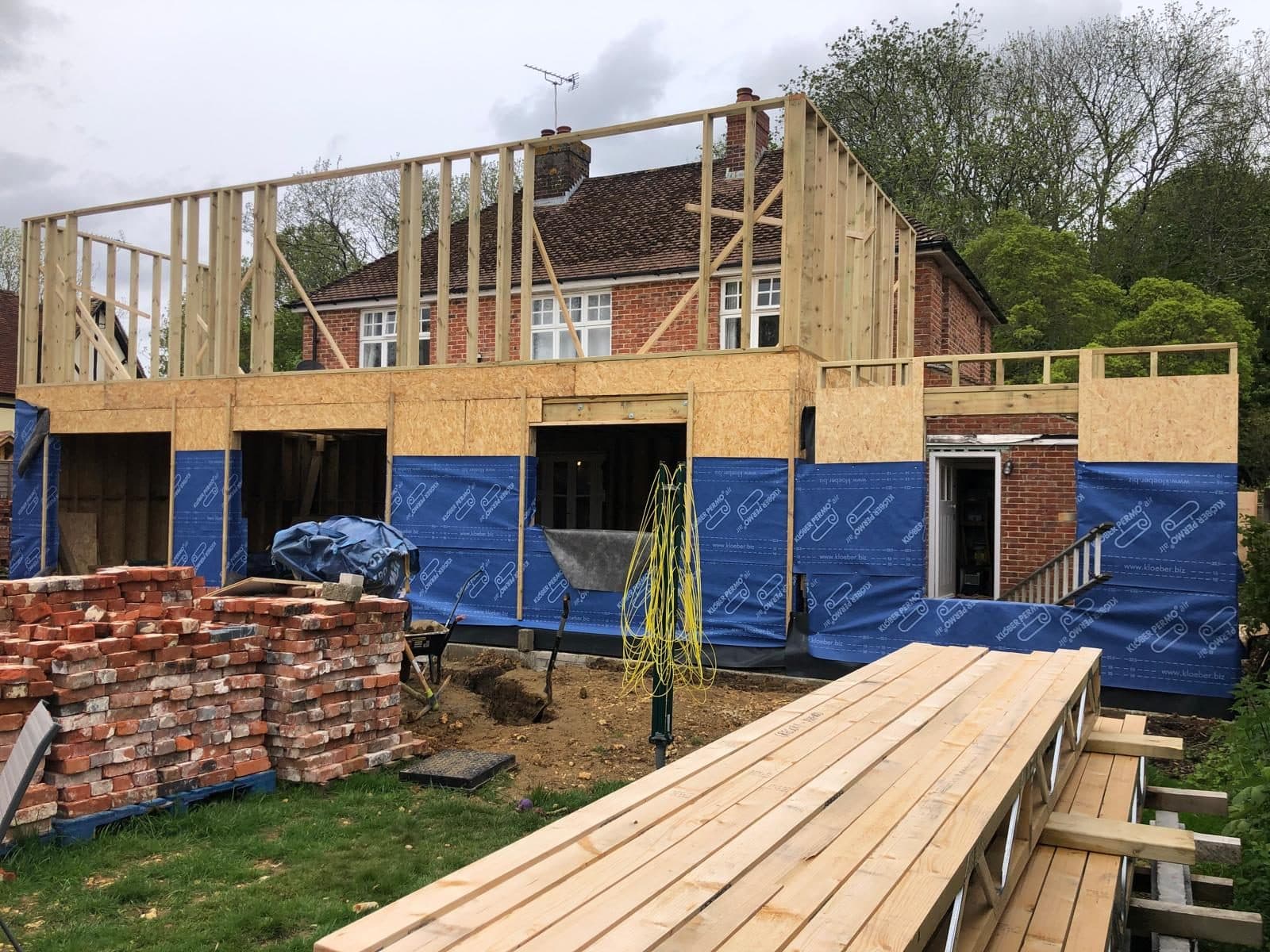
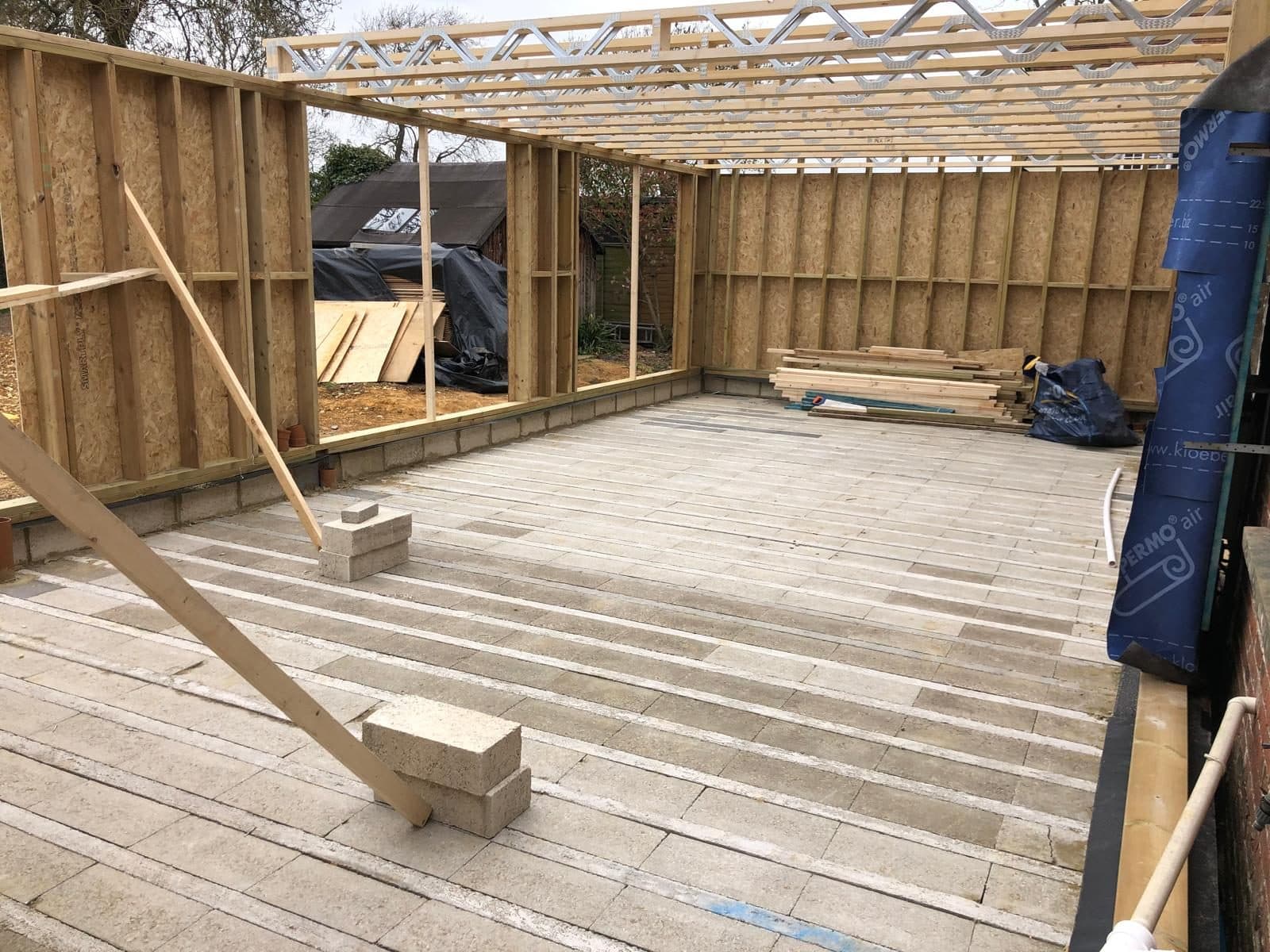
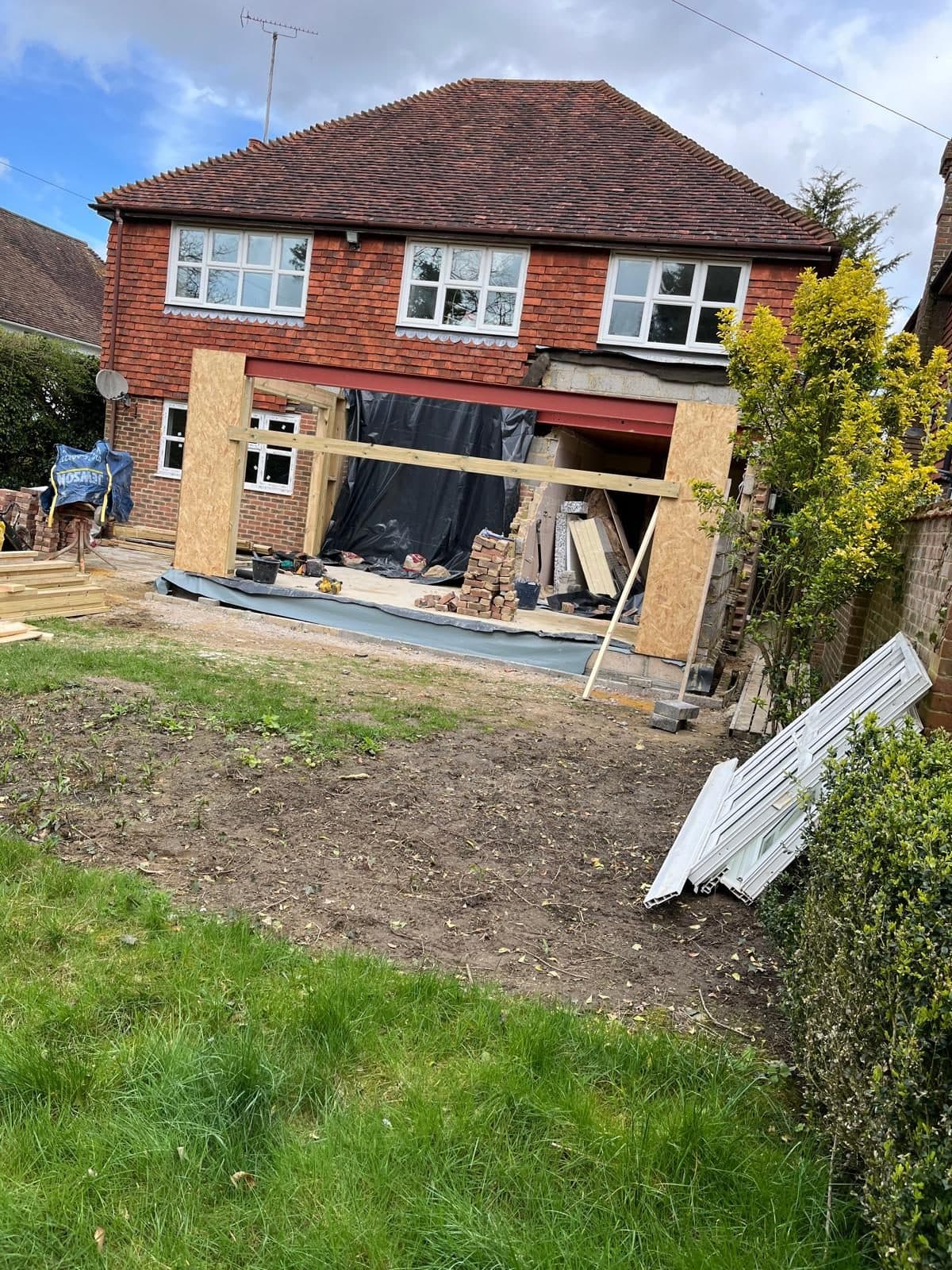
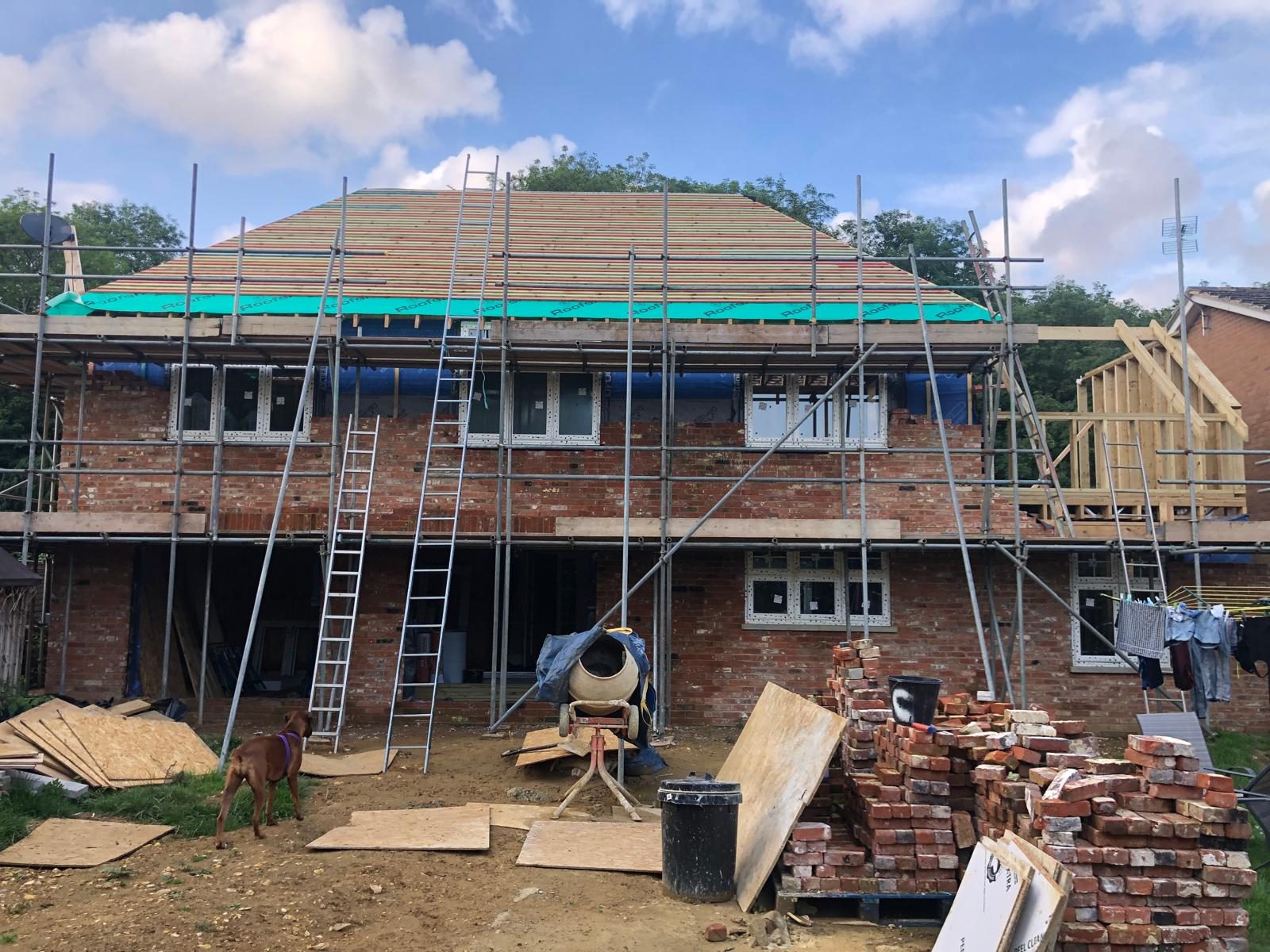
Extensions, loft conversions and garage conversions are less common than the categories above, but they are the ones that change how a house works rather than how it looks.
Garage conversions tend to be the most accessible entry point. The structure, foundations and roof already exist, which removes the most expensive and least predictable part of any build. Loft conversions come next, and full extensions sit at the top for both cost and disruption.
In our experience, a garage conversion works better than a small rear extension for homeowners adding their first room because you are adapting a structure that is already there rather than creating one from the ground up, which cuts out groundworks, foundations and most of the weather risk. The trade-off is that you lose the garage, and on some Kent streets that costs you more at resale than the room gains you. It depends entirely on the property.
What people are actually spending
The spending picture has shifted. The median planned household budget for 2026 sits at £10,000, with the top 10% of budgets at £65,000. Savings remain the main funding source at 86%, though credit card use rose six percentage points year on year to 19%.
That gap between the typical budget and the top tier tells you something useful. Most people are not doing whole-house renovations. They are doing one room, or one problem, at a time. Planning a project around that reality gives you a far better result than trying to do everything at once and running out of money at second fix, which is exactly when the finish quality gets decided.
Which improvements are worth doing
There is no universal answer, and anyone who gives you one is selling something. The honest version is that it depends on what is wrong with your house and how long you intend to stay in it. Houzz found that the leading triggers for renovating are simply having the money and having the time, rather than any calculation about property value.
That said, the pattern we see is consistent. Fix the fabric first, then improve the layout, then decorate. If you are weighing up the most cost effective home improvement for your situation, the honest starting point is a survey of what is already failing, not a wish list.
What experience changes about the order of work
Across 30 years in carpentry and building, including 12 years project managing multimillion-pound contracts and one £1.6 million new build delivered across three phases, the single biggest lesson has been about sequence rather than specification.
On a large project the sequence is imposed by the programme. Nobody plasters before the roof is on. On domestic work there is no programme, so homeowners often start with the visible thing because it is the thing they want. That is how a family ends up with a beautiful kitchen sitting on a floor that needs lifting eighteen months later.
The other thing worth saying plainly is that the most common improvements are the ones with the most variable pricing. Kitchens and bathrooms attract wildly different quotes for what looks like the same job, because the quotes are not for the same job. One includes the plumbing alterations and making good, and one does not. Comparing them on the bottom line alone tells you almost nothing.
The short answer
The most common home improvements in the UK are decorating and furnishing first, renovation second and repairs third, with kitchens and bathrooms leading the renovation category and repairs growing fastest as the housing stock ages. Most homeowners spend around £10,000 and hire at least one trade to do it.
If you are planning work in Kent and want an honest view of what your property needs before you commit to what you want, AGC Carpentry & Builders covers kitchens, bathrooms, renovations, extensions and conversions across Ashford, Maidstone, Canterbury, Sevenoaks, Folkestone, Hythe and Dover. You can see recent projects on our work page or follow us on Instagram, and get a quote when you are ready to talk it through.